BIM

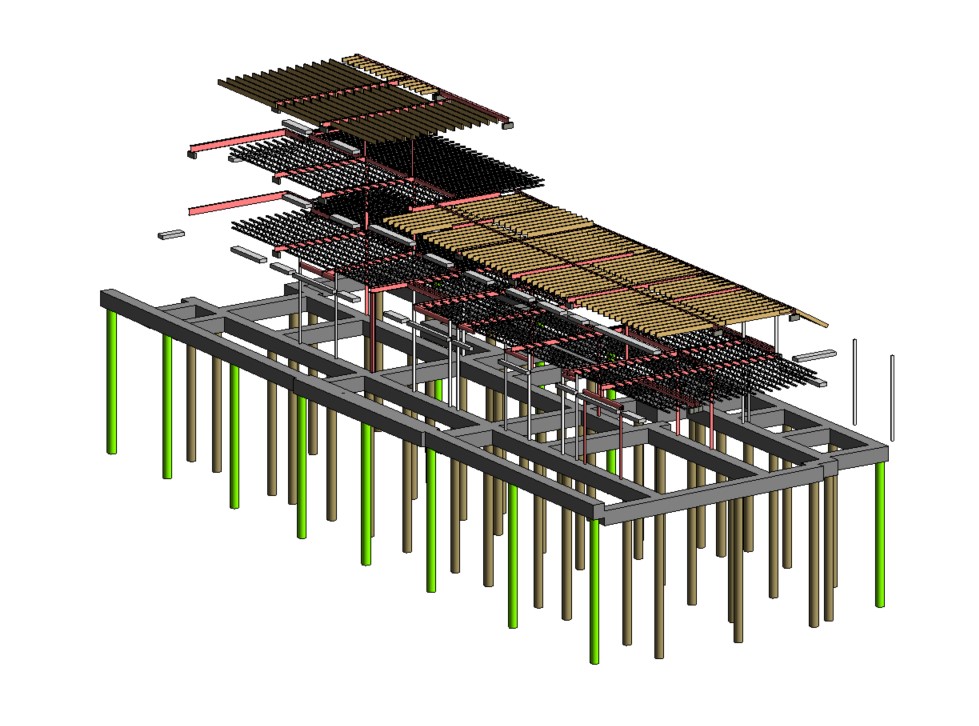
We believe that the best way to create efficient designs is to work in a collaborative Building Information Modelling (BIM) environment.
Since 2016, we have been developing our designs in a 3D environment for all new projects at LSY to deliver a wide range of benefits, including:

Using BIM to evaluate a brief helps to avoid clashes and reduces the cost of changes.

BIM drives efficiencies during the whole building lifecycle, from initial planning and design to construction and operation, easing project management.

BIM

BIM-enabling technology allows for effective information control, sharing, validation and reuse.


A BIM model is more than a nice 3D image: it’s a data-rich file that holds information from the concept idea through the construction phase and all the way to the end-user facilities management team.


The collaborative, multidisciplinary nature of BIM highlights construction issues at an early stage of the design process and reduces the possibility of errors on site, ultimately saving our clients time and money.

.

See how we can help with your BIM Project

Our BIM Projects

Oxford Street, London, UK

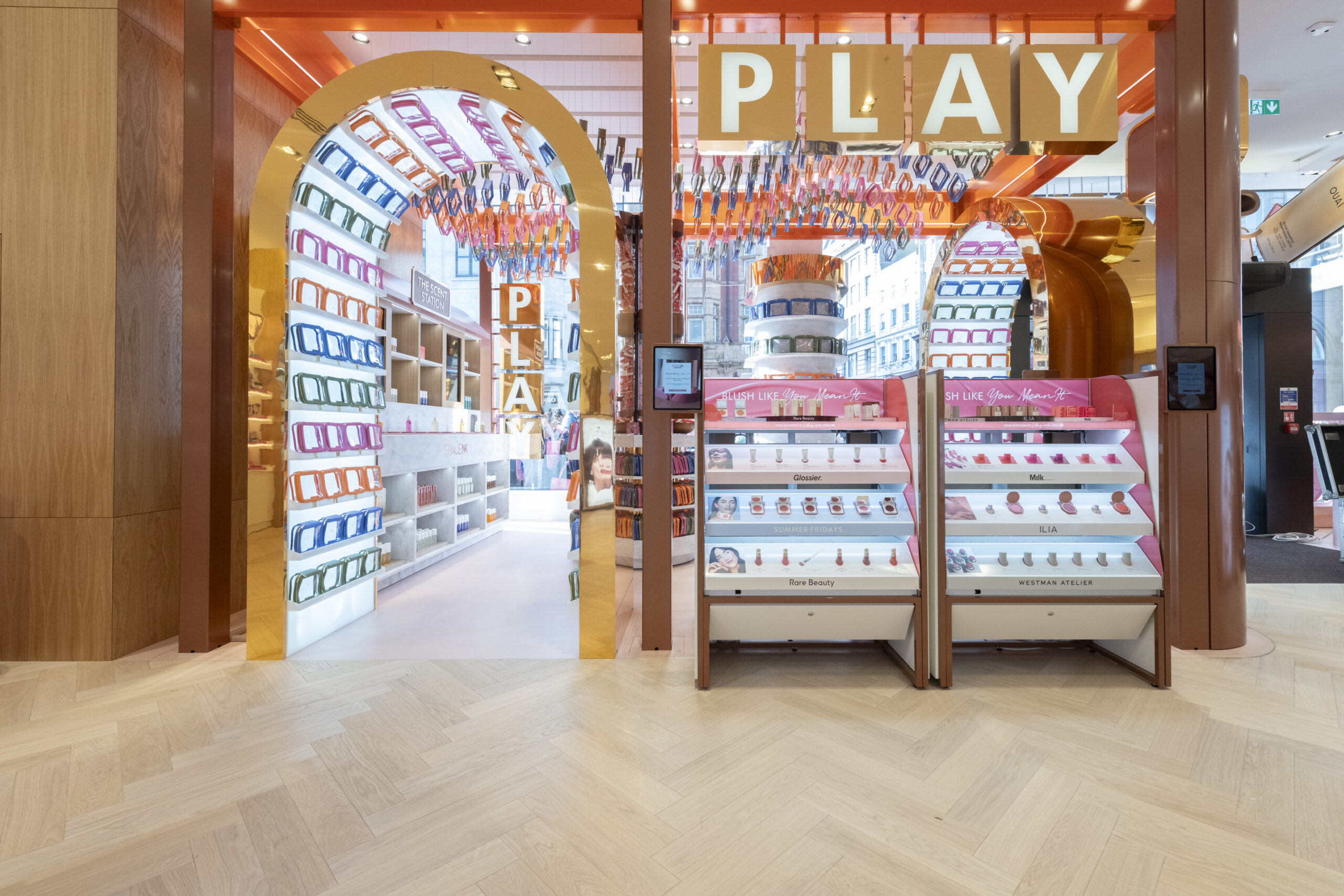
LSY Engineering Consultants Ltd was appointed as the Tenant's Structural Engineer for the proposed fit-out of a retail unit in Oxford Circus, London, UK. The prospective tenant required additional storage space and staff facilities within the rear of the unit and proposed the construction of a new mezzanine floor within the existing building. LSY's role was to develop and design a lightweight mezzanine solution that minimised the impact on the existing structure while providing the additional floor area required by the tenant. Our services included the structural design of the new mezzanine floor, coordination with the landlord's engineer, and the development of bespoke strengthening solutions where required.
Euston Station, London, UK

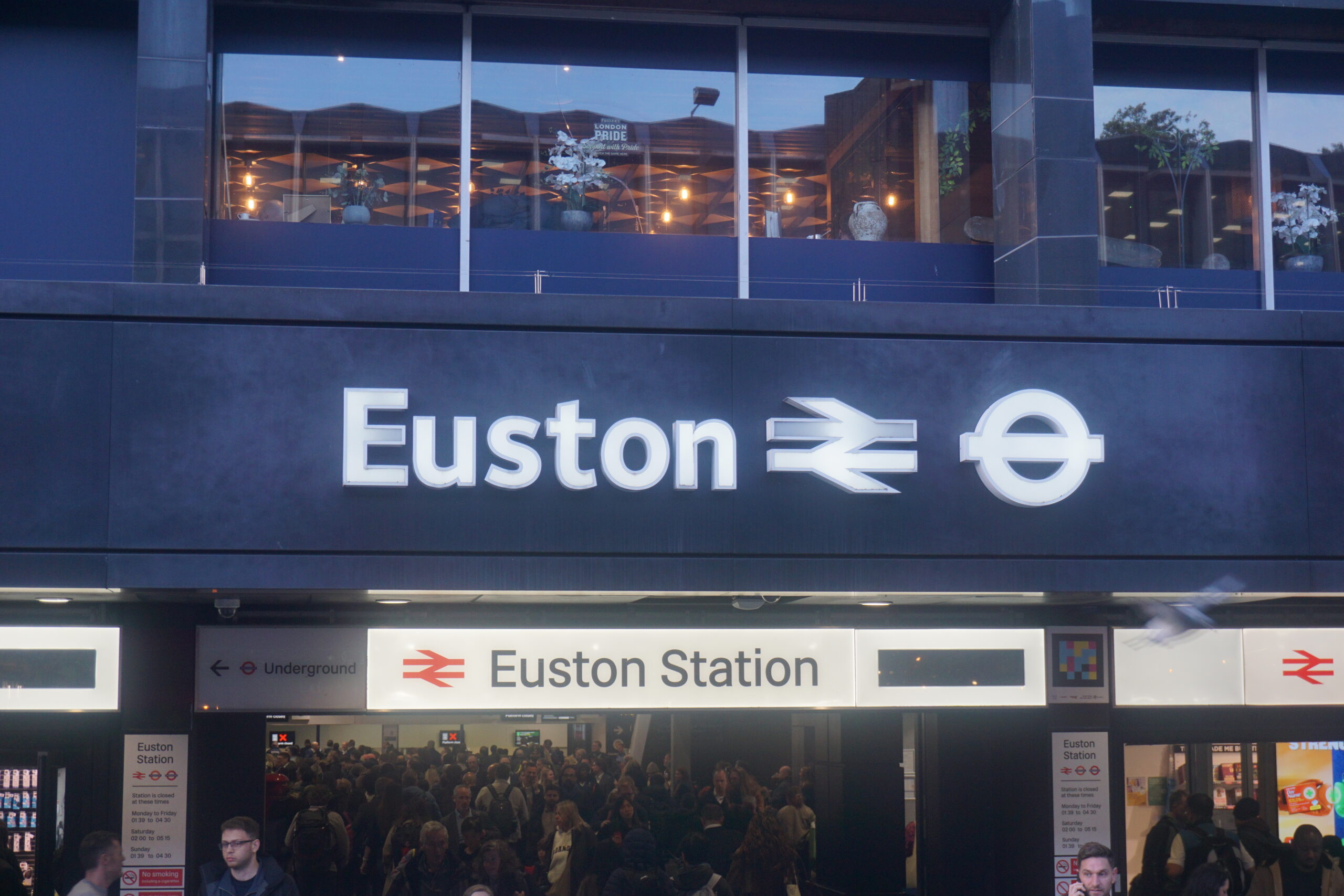
LSY Engineering Consultants Ltd was appointed to provide temporary works design and structural engineering support for the removal and realignment of an existing gas main anchorage connection at Euston Station as part of the HS2 enabling works programme. Our involvement was focused on the construction phase, where we reviewed the existing gas main arrangement, assessed the associated structural risks, and developed temporary works solutions to facilitate the contractor's proposed sequence of works. The temporary works design was developed to allow the pipe realignment to be undertaken safely and efficiently while maintaining adequate support and restraint to the existing pipework throughout the construction process. Challenges The principal challenge was developing a detailed understanding of the proposed construction methodology and identifying the structural implications associated with each stage of the pipework modification works. The scheme involved cutting out and realigning sections of existing gas infrastructure while maintaining stability of the system throughout the works. This required careful assessment of temporary loading conditions, pipe restraint requirements, and the interaction between existing and new infrastructure. Close coordination was required with the gas and pipework engineers to understand the operational requirements, connection details, and behaviour of the various pipe systems involved. The project included a combination of existing cast iron pipework and new polyethylene (PE) gas mains, each with different structural and installation requirements. A further challenge involved developing temporary support arrangements that would maintain the stability of the pipework during the realignment works while providing sufficient flexibility for the contractor to undertake the installation sequence safely and efficiently. The project therefore required a detailed understanding of both the permanent gas infrastructure and the proposed construction methodology to ensure the temporary works solution remained practical, buildable, and fully coordinated with the wider project team. Process LSY undertook a detailed review of the existing gas main arrangement, available site information, ground conditions, and the proposed pipe realignment sequence to establish the structural requirements for the temporary works. Working closely with the gas and pipework engineers, we assessed the anticipated forces generated during the staged construction process and developed a temporary support and anchorage solution capable of safely resisting these loads. Detailed structural calculations were undertaken to design a reinforced concrete anchorage system capable of transferring the pipe forces safely into the ground. The temporary works solution incorporated: • A 1250mm × 1250mm × 400mm reinforced concrete anchorage base. • High-strength concrete to achieve the required early-age strength. • A 152 × 152 × 23 UC S355 steel anchorage section. • Approximately 300mm embedment of the steel section into the reinforced concrete base. Particular attention was given to ensuring the temporary works design remained compatible with the existing and proposed pipework arrangements, including: • Existing 15-inch cast iron gas main. • Proposed 250mm polyethylene (PE) gas main. • Existing and proposed valve assemblies. • Flanged pipe connections. • Temporary and permanent anchorage requirements. The support system was designed to accommodate the staged construction sequence while maintaining the stability of the pipework during cutting, connection, and realignment operations. To facilitate construction, LSY produced detailed temporary works drawings clearly identifying: • Anchorage steelwork. • Connection details. • Construction sequencing considerations. • Installation requirements. • Reinforcement arrangements. • Reinforced concrete anchorage details. Outcome & Lessons Learned The temporary works solution was implemented successfully, enabling the gas main realignment works to proceed safely and efficiently within the HS2 construction programme. The project demonstrated the importance of developing a thorough understanding of the permanent works design and maintaining close coordination between structural, mechanical, and gas engineering disciplines throughout the construction phase. By designing a practical and adaptable anchorage solution, LSY enabled the contractor to undertake the pipe modification works with confidence while maintaining structural stability and operational safety throughout the process. The successful delivery of the project strengthened our relationship with the client and led to further appointments on gas infrastructure, temporary works, and major infrastructure projects across London and the wider UK.

Tottenham Court Road, London, UK

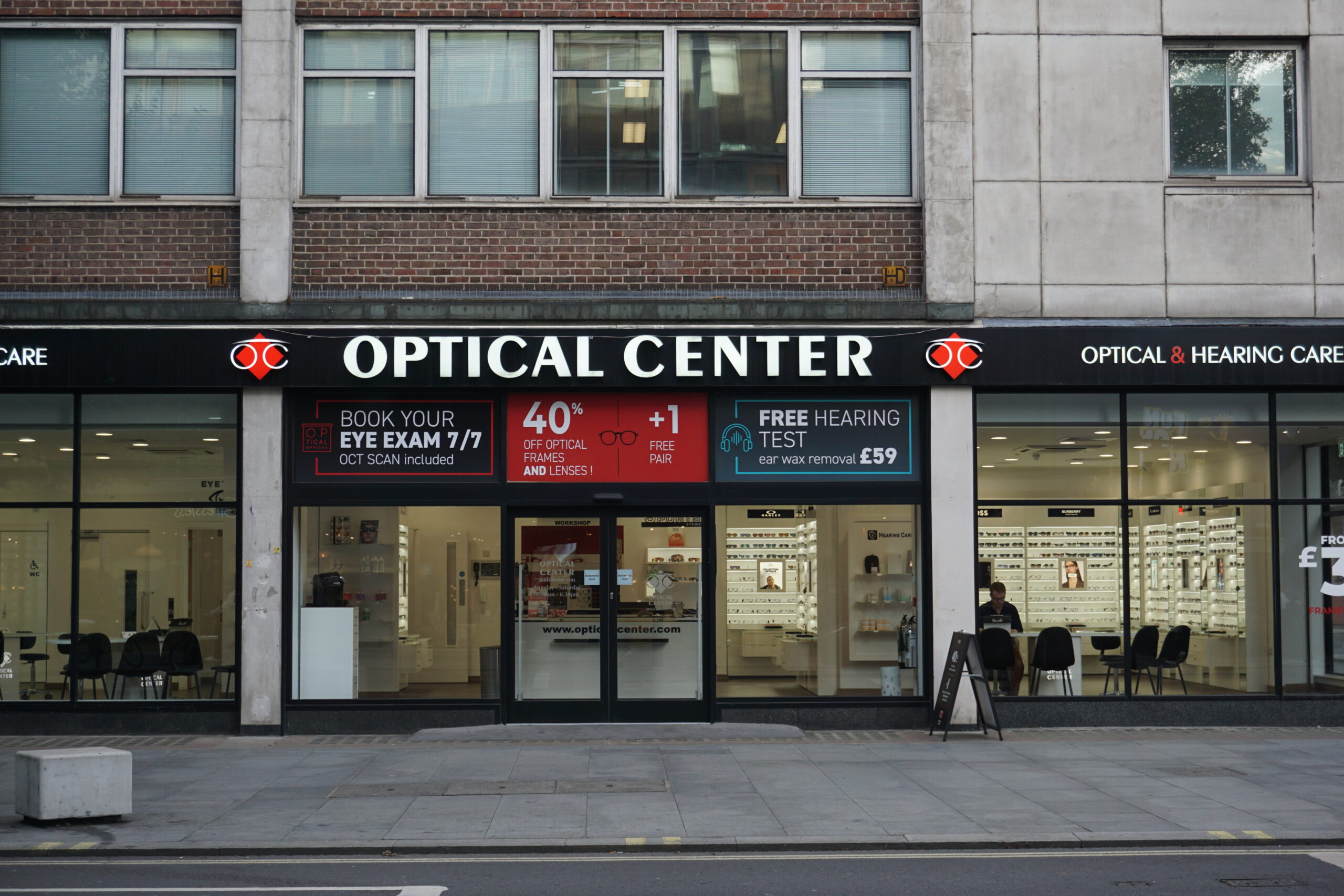
LSY Engineering Consultants Ltd were appointed as lead structural engineers on a Central London project refurbishment scheme. The client was ‘Optical Center’ who required the removal of structural slabs and walls to accommodate the new layouts proposed by the architect. For this project, LSY was involved from the initial feasibility stage to the final handover.