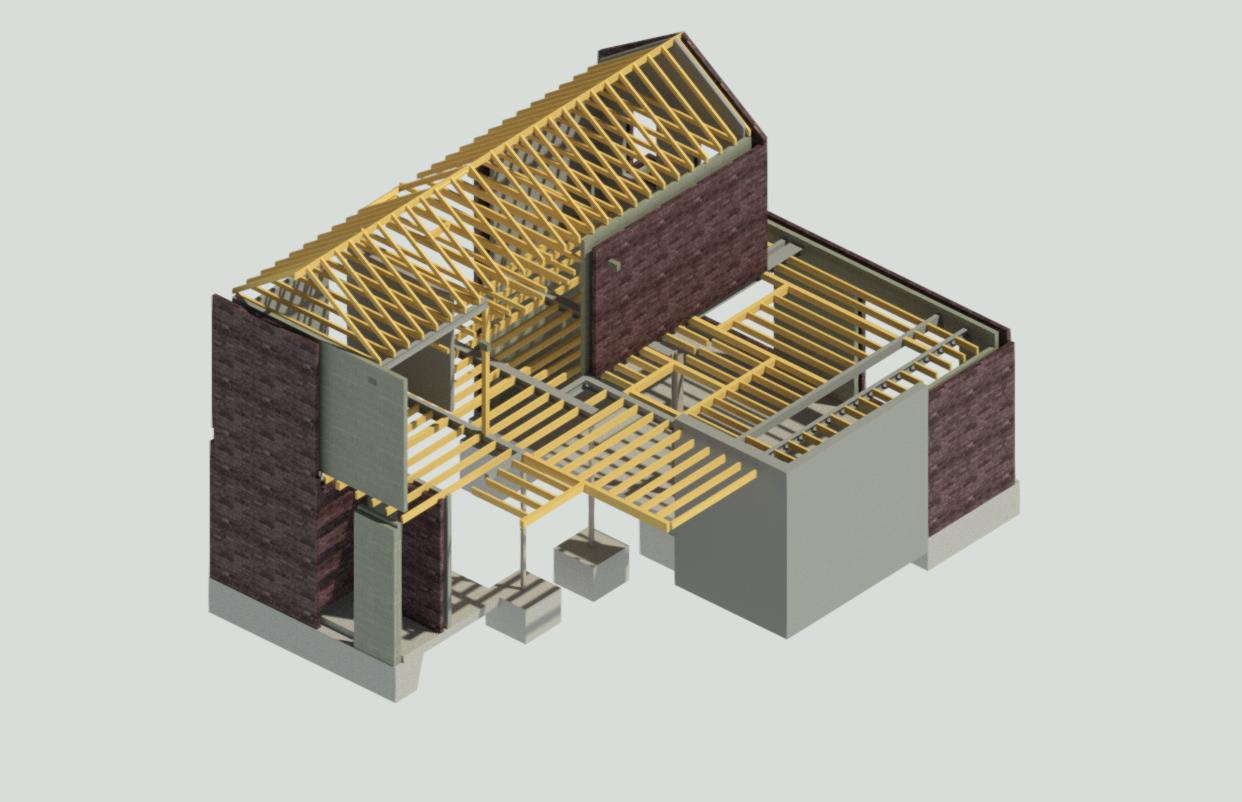
Refurbishment
Hugh Street, London, UK

Project Brief
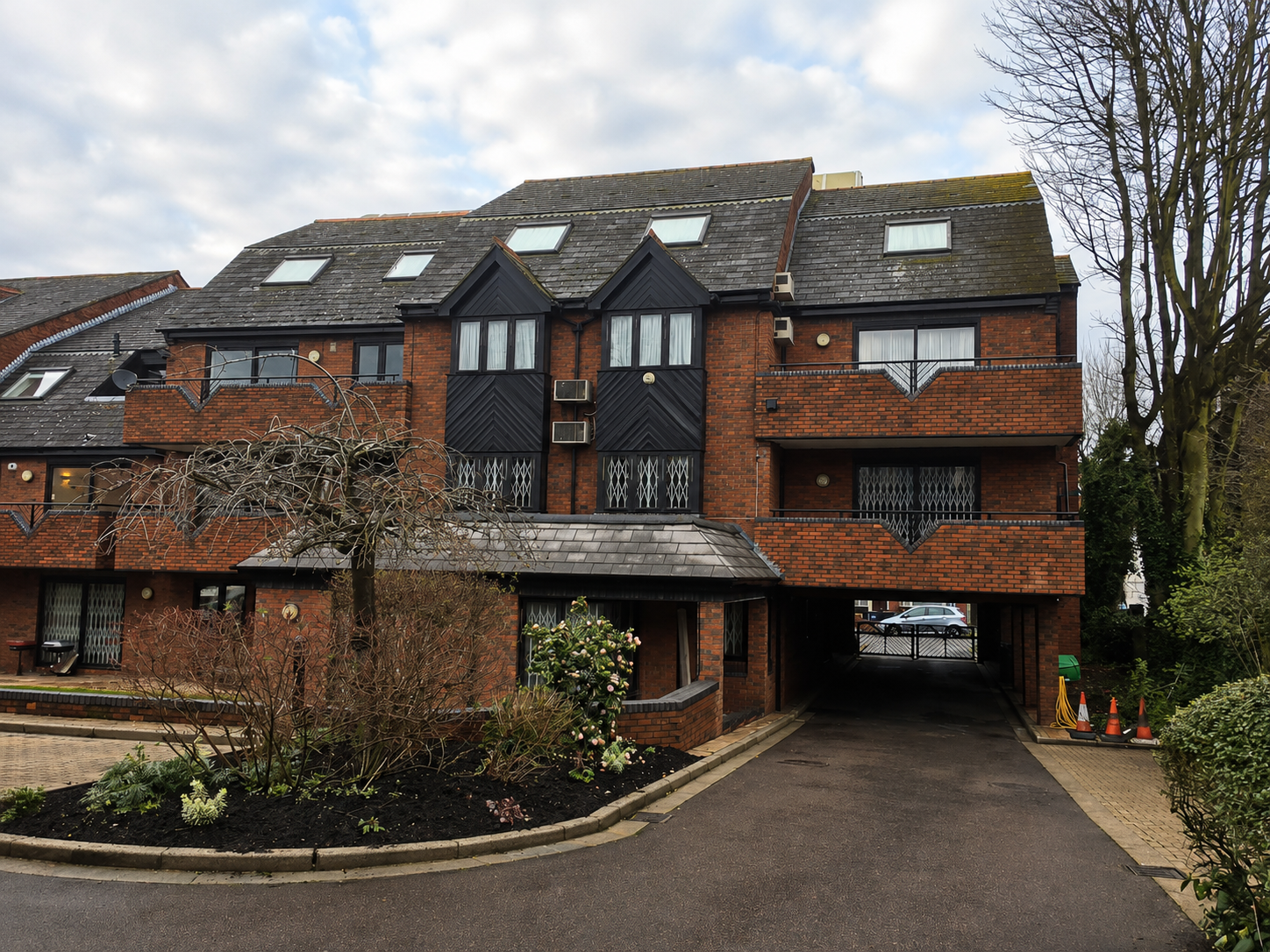
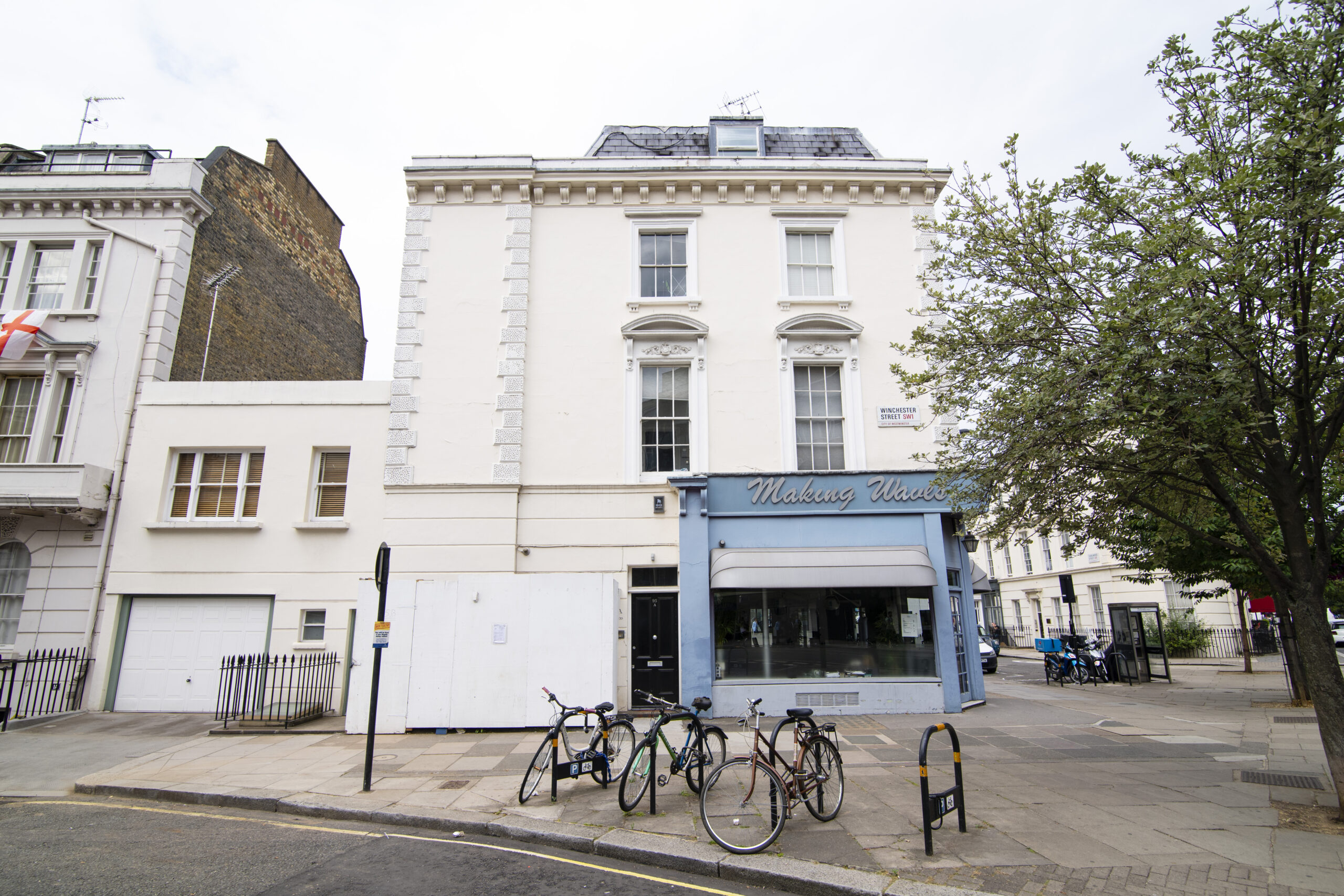
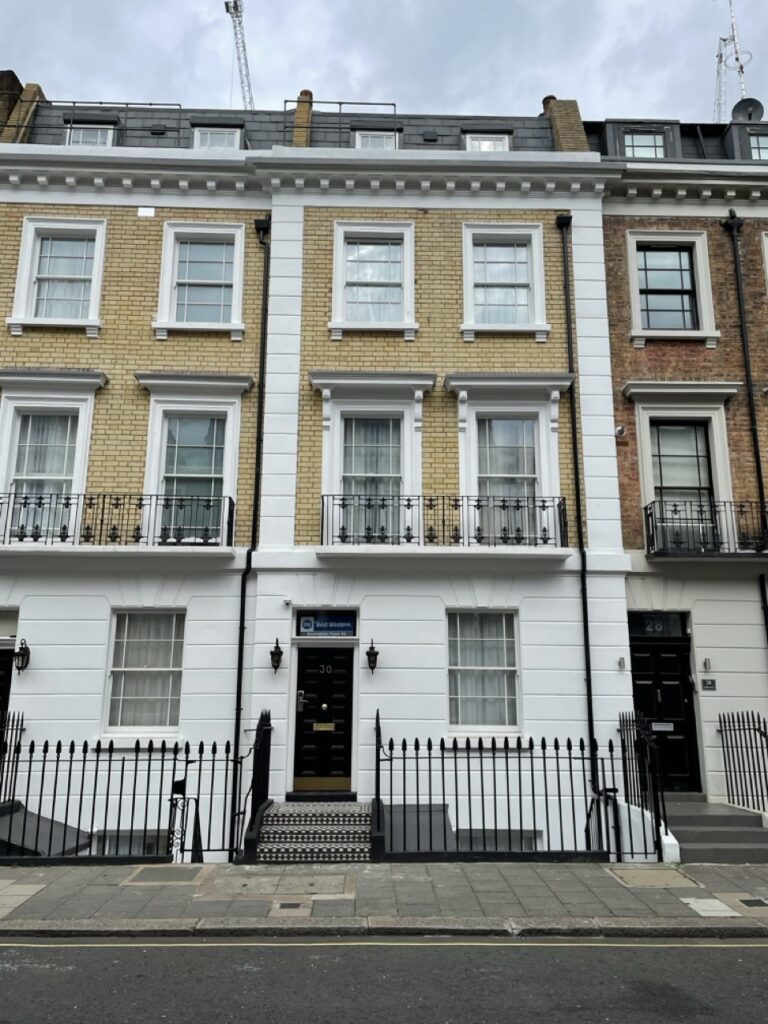
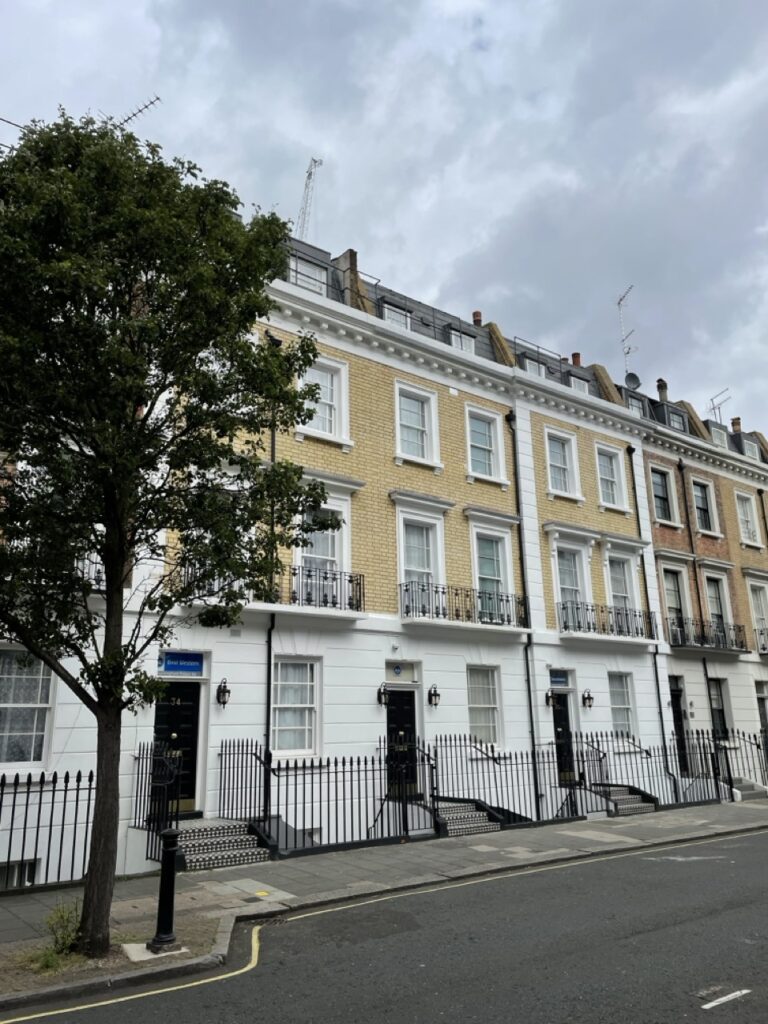
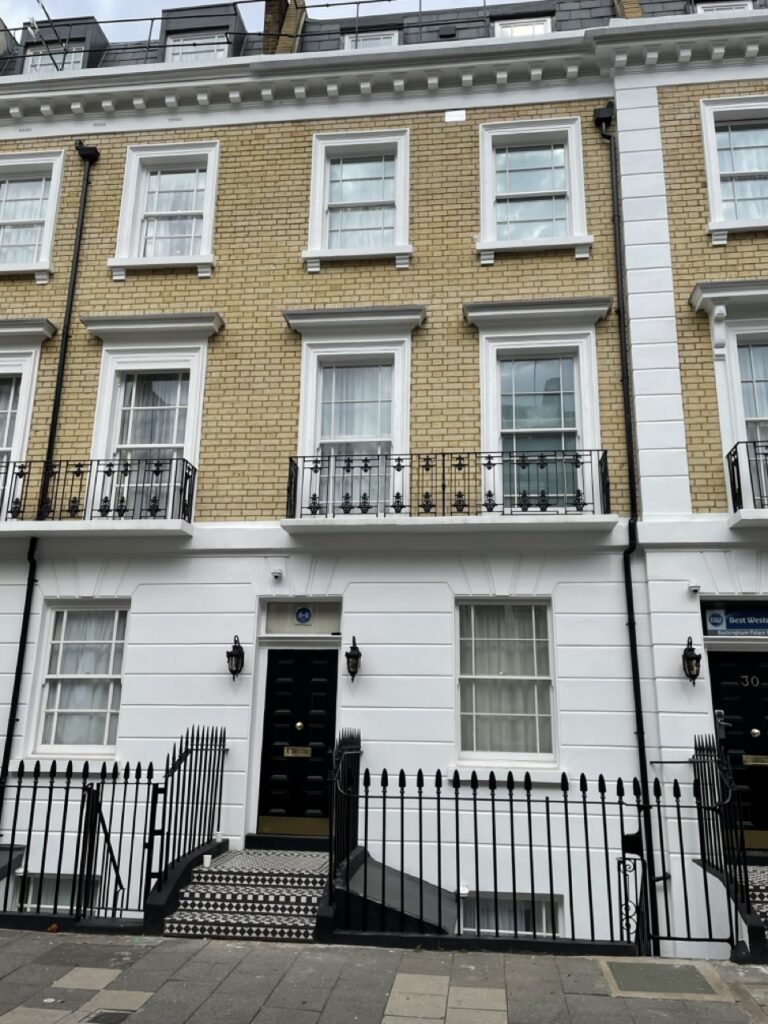
LSY Engineering Consultants Ltd was appointed by a London property fund as Lead Structural Engineer for the refurbishment and extension of an existing hotel in Central London. The project involved combining three separate properties into a single hotel, requiring substantial structural alterations to create a cohesive and functional building layout. Our appointment included Building Information
Modelling (BIM), structural design, underpinning design, site inspections, and ongoing technical support throughout the construction phase.
The scope of works included:
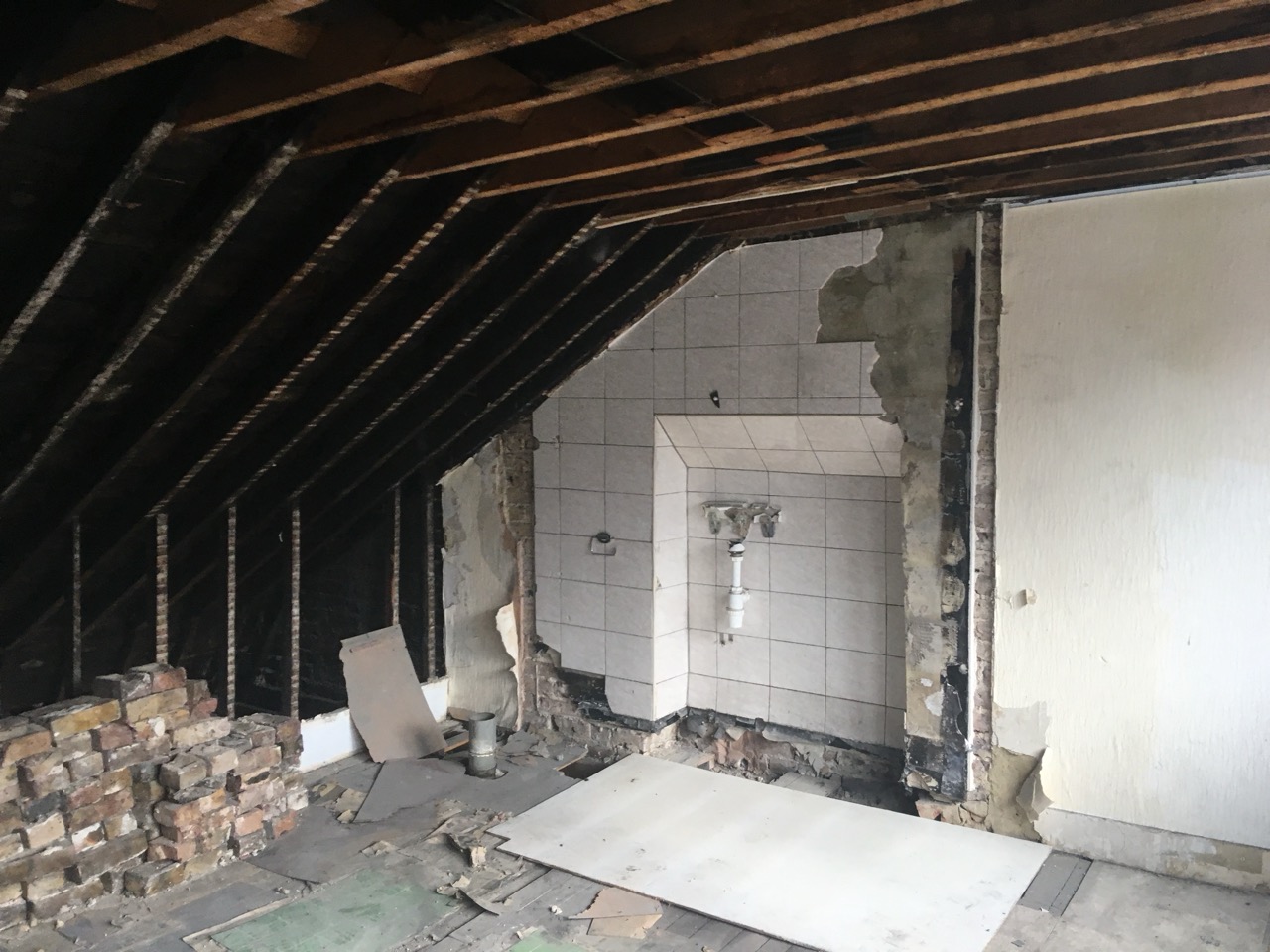
- Construction of a new mansard roof extension.
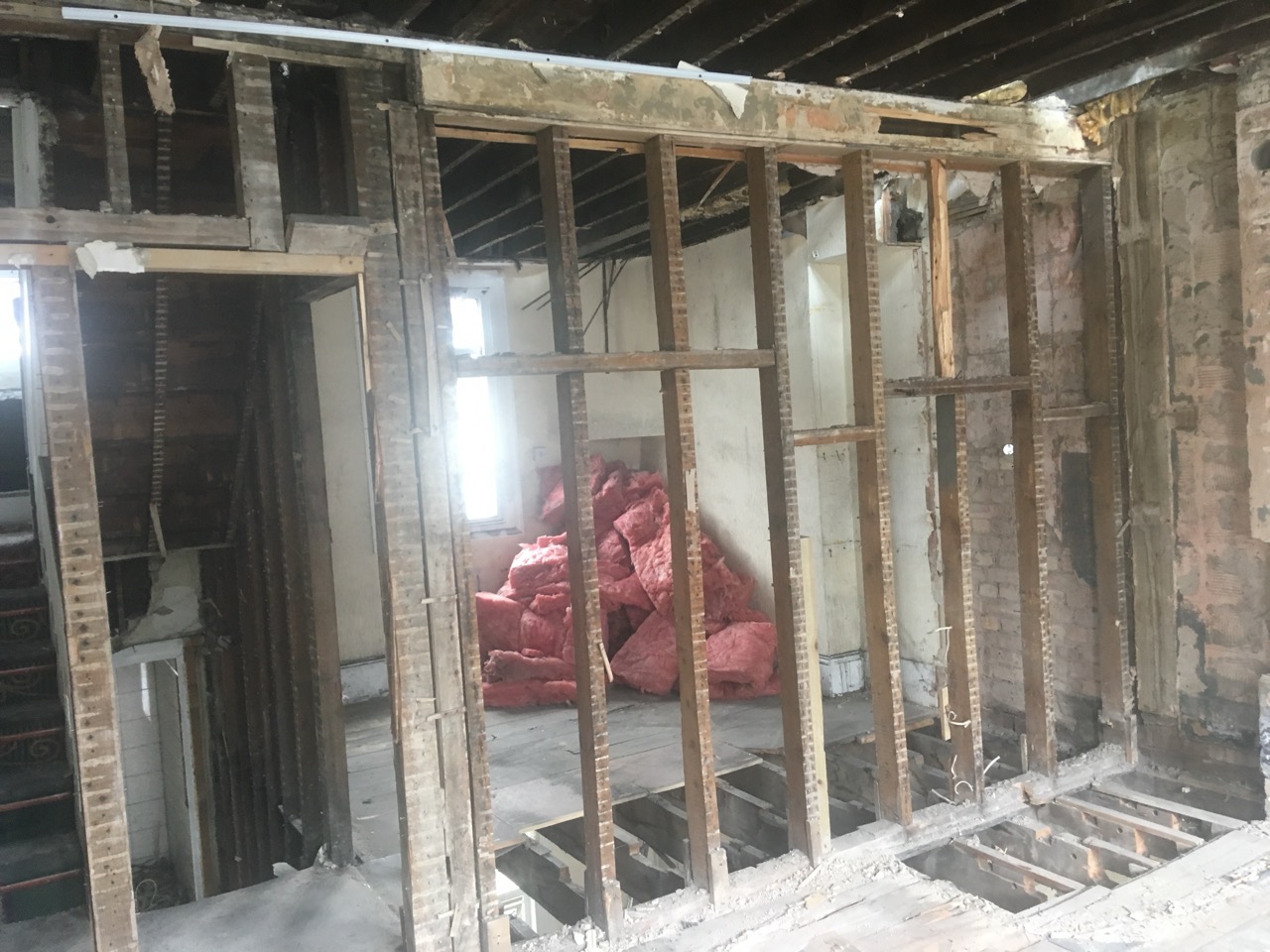
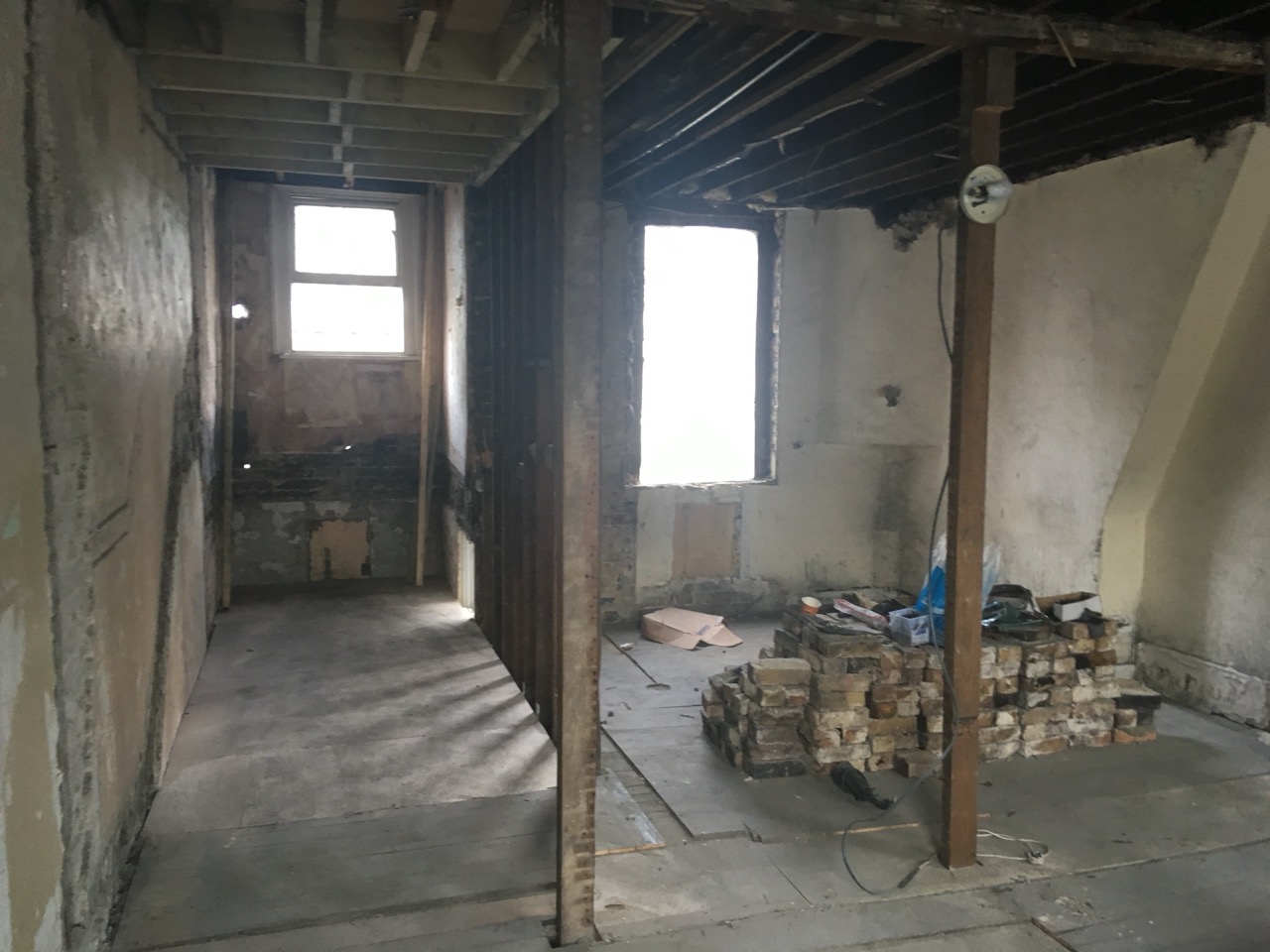
- Formation of large openings between adjoining properties.
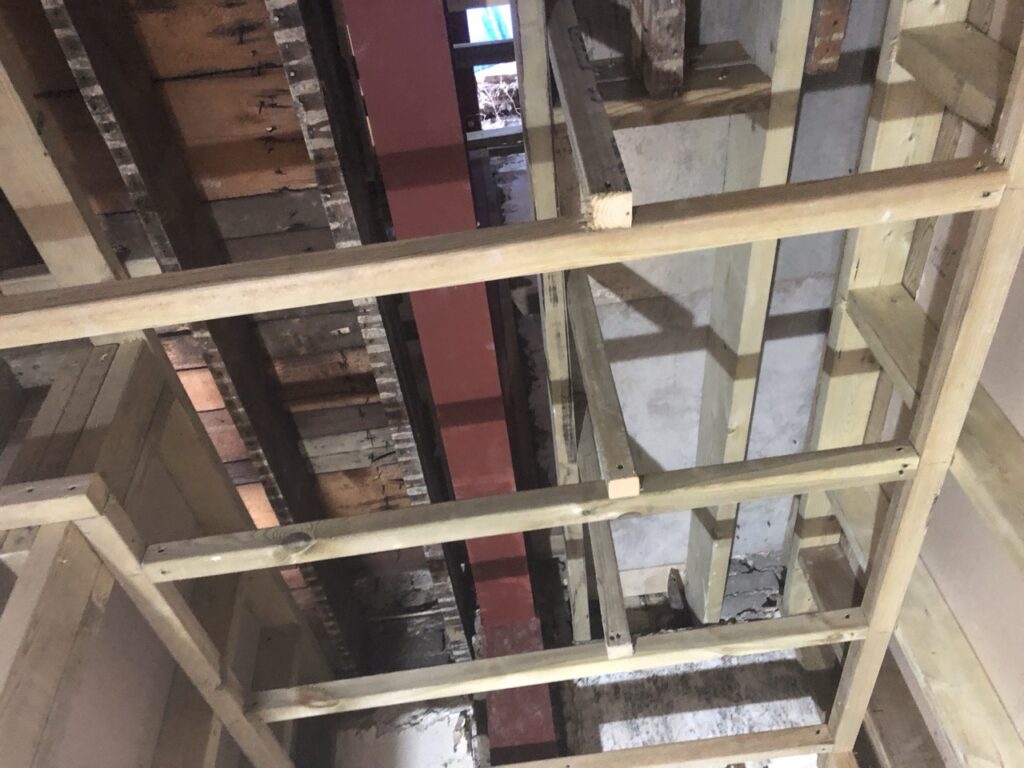
- Installation of new structural steel frames.
- Lowering of existing basement vaults.
- Removal of multiple structural walls.
- Structural alterations to facilitate the new hotel layout.
LSY was involved throughout the project, working closely with the design team, contractor, and client to develop practical structural solutions that would enable the transformation of the buildings into a modern hotel facility.
Challenges
A key challenge during the early stages of the project was the limited understanding of the existing structural arrangement. Due to the age and history of the buildings, a number of assumptions were required during the preliminary design phase.
To reduce risk and improve design certainty, it was agreed that targeted opening-up works would be undertaken prior to the main construction contract being awarded.
The site location also presented significant logistical challenges. Situated on a busy Central London street and bounded by operational hotels on either side, the project faced restrictions associated with:
- Limited site access.
- Material handling constraints.
- Permit approvals.
- Restricted construction and delivery areas.
- Road closure requirements.
These constraints required careful consideration during the design process, particularly when selecting structural systems and construction methodologies.
Process
LSY worked closely with the design team and contractor from the outset to develop practical solutions that could accommodate both the structural and logistical challenges of the site.
The initial opening-up works proved highly beneficial. During these investigations, significant deterioration was identified within sections of the existing timber floor structure due to historic water ingress. Early identification of these defects enabled specialist timber repair works to be incorporated into the project at an early stage, reducing the risk of unforeseen costs and programme delays later in construction.
Recording these works from the outset also provided the client with greater cost certainty as the project progressed. To create the large openings required to link the three properties, LSY designed a series of steel box frames to support the existing masonry spine walls and transfer loads safely around the new openings. These structural interventions enabled the buildings to function as a single integrated hotel while maintaining the stability of the retained structure.
At basement level, the project required the lowering of the existing vaults to increase usable accommodation space. Working collaboratively with the contractor, LSY undertook multiple trial hole investigations to establish the existing foundation arrangement and assess the feasibility of various construction methods.
Following detailed assessment, traditional underpinning was identified as the most suitable and cost-effective solution. Detailed underpinning designs and construction sequencing information were produced to ensure the basement works could be undertaken safely while maintaining the stability of the retained buildings.
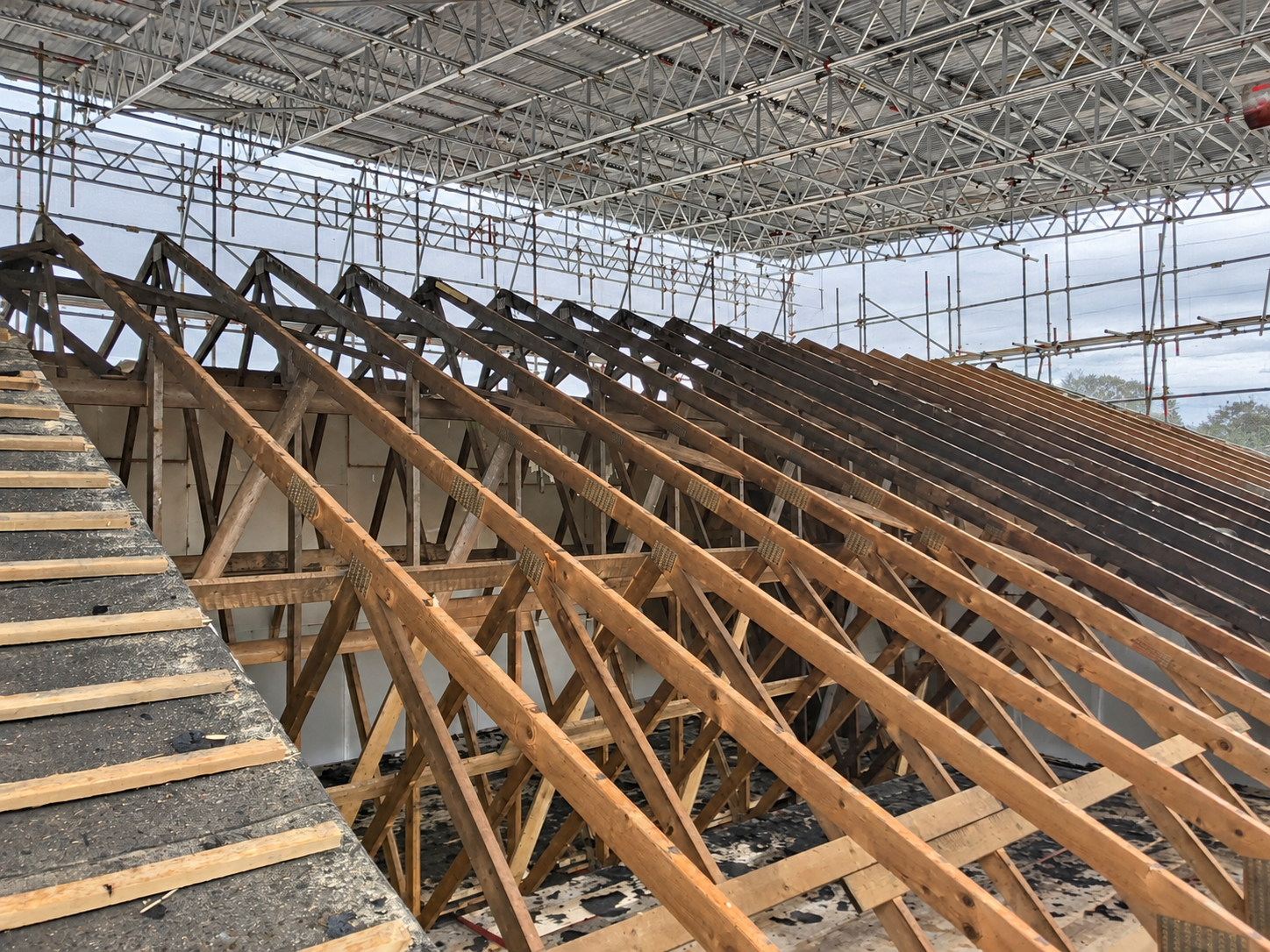
At roof level, access restrictions significantly influenced the design approach. Due to the limited ability to lift and manoeuvre heavy structural elements through the site, LSY developed a lightweight structural solution for the new mansard roof extension.
The design incorporated timber framing and steel PFC sections, reducing installation weights while maintaining the required structural performance. By maximising the use of lightweight materials throughout the extension, the contractor was able to install the works more efficiently within the confined site environment.
Building Information Modelling (BIM) was utilised throughout the project to coordinate the various structural alterations and ensure seamless integration with the architectural and building services designs.
Outcome
The project was successfully delivered on programme and within budget, despite the challenges encountered during the opening-up and investigation phases.
The completed scheme transformed three separate buildings into a single interconnected hotel, significantly improving the functionality, circulation, and operational efficiency of the development.
Through early investigations, practical structural solutions, and close collaboration with the contractor, LSY was able to mitigate construction risks while maintaining progress on a complex refurbishment project within a highly constrained city-centre location.
The new open-plan layouts, mansard roof extension, and enhanced basement accommodation have substantially improved both the operational performance and aesthetic appeal of the hotel, helping to maximise the client’s investment and realise their original vision for the development.
Back to all projects