Refurbishment
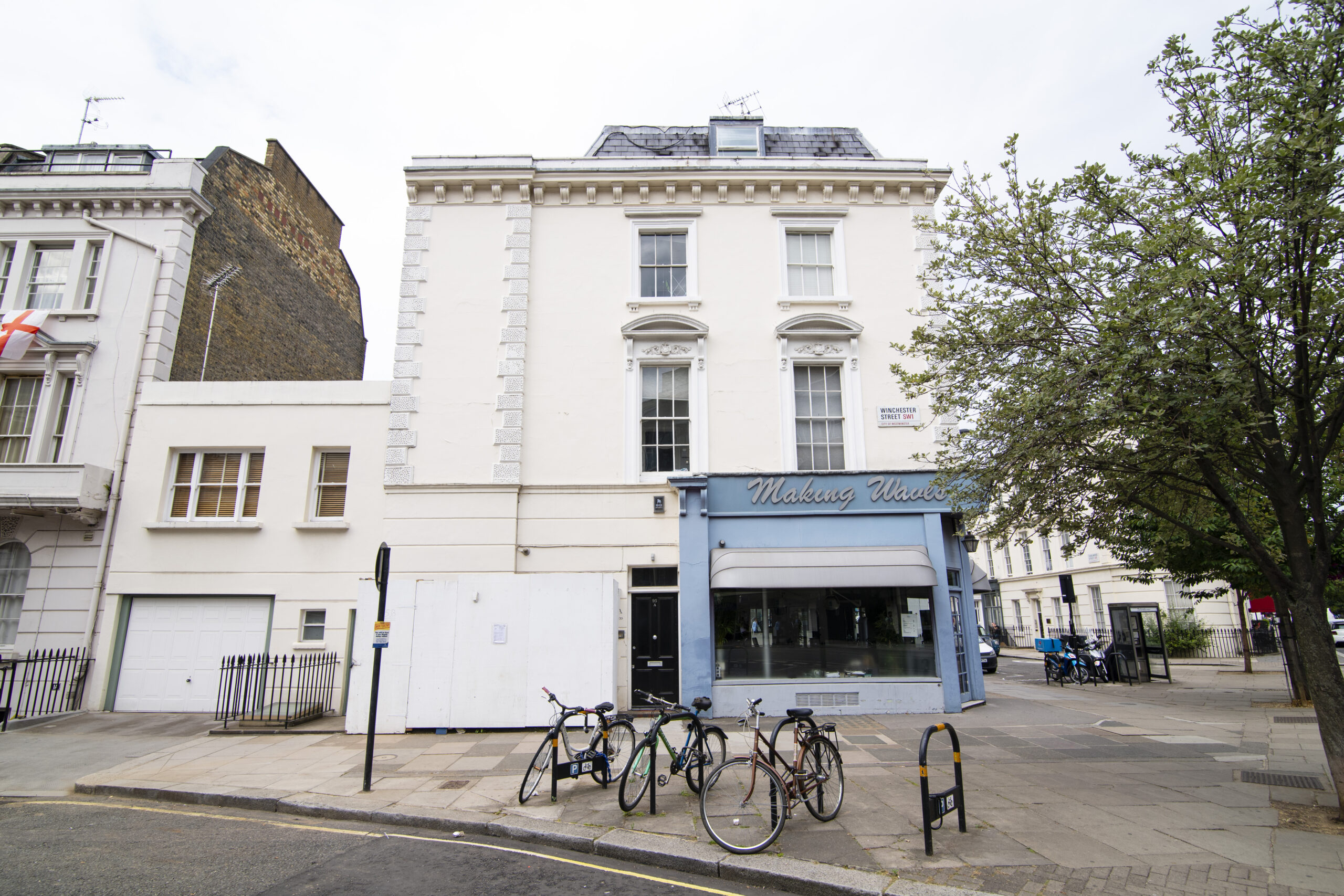
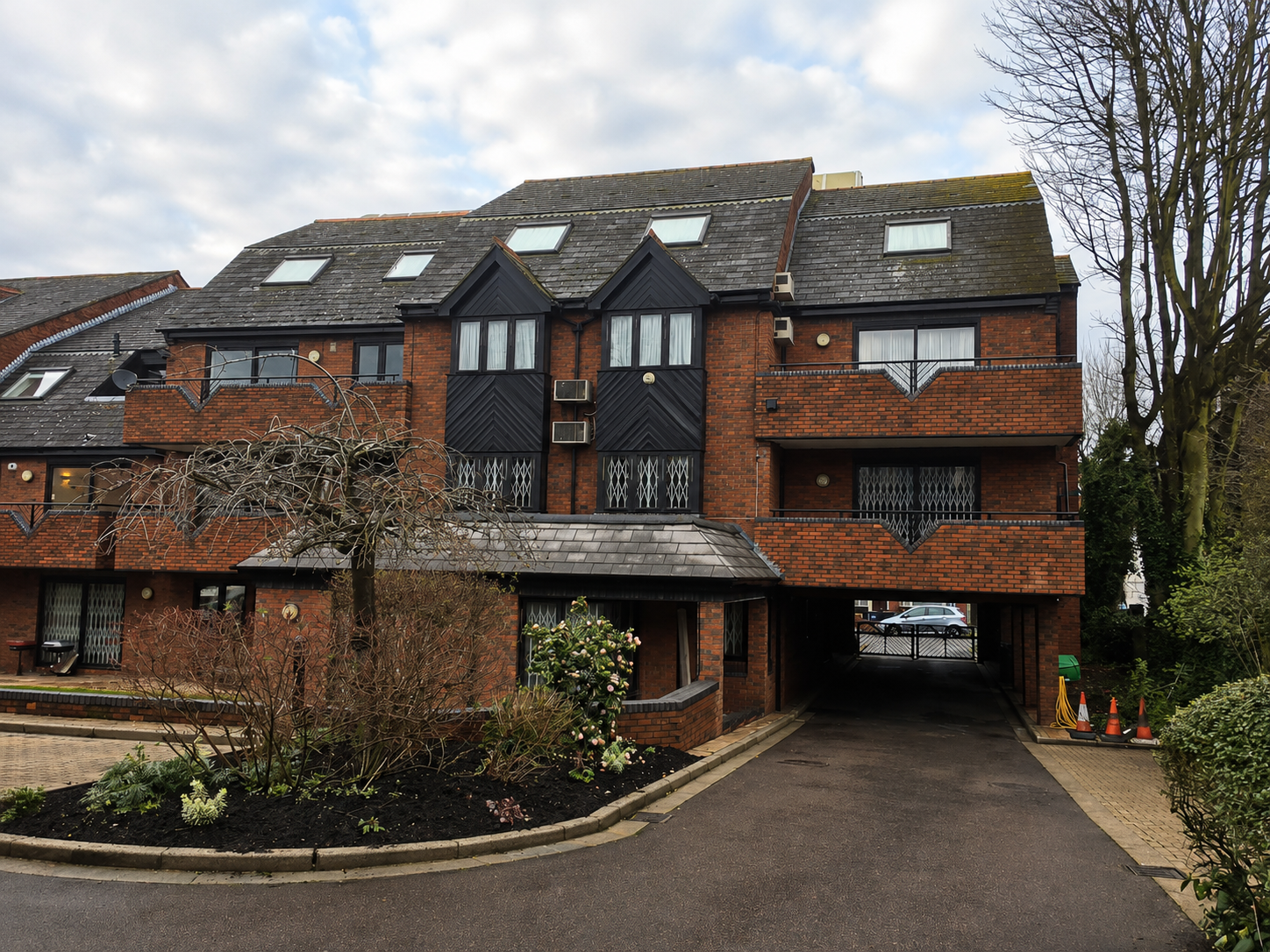
Wick Lane, London, UK

Project Brief
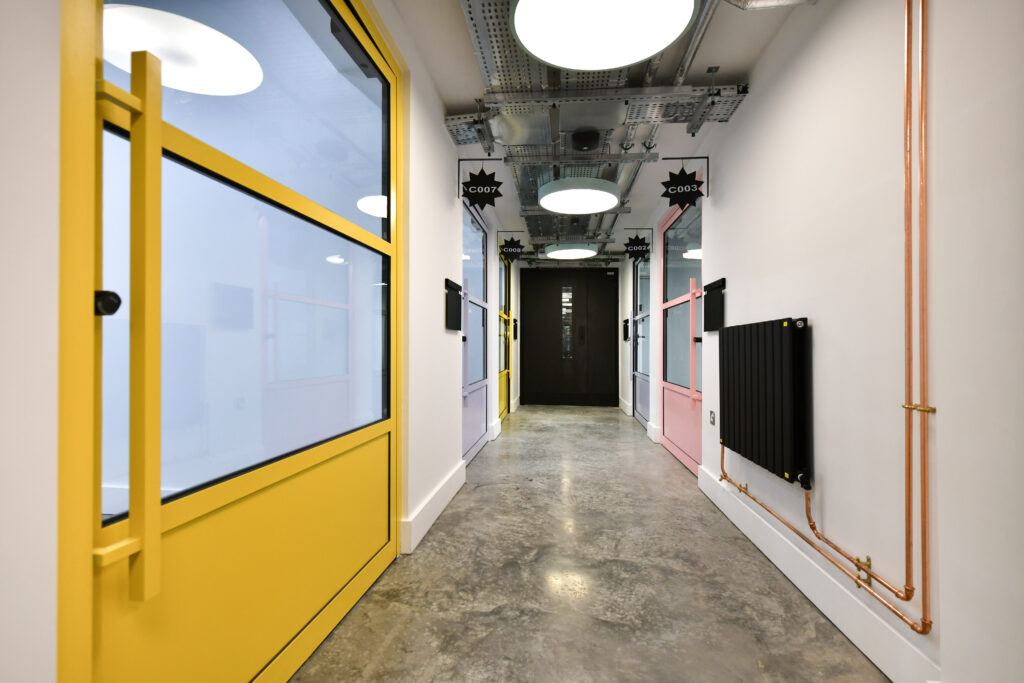
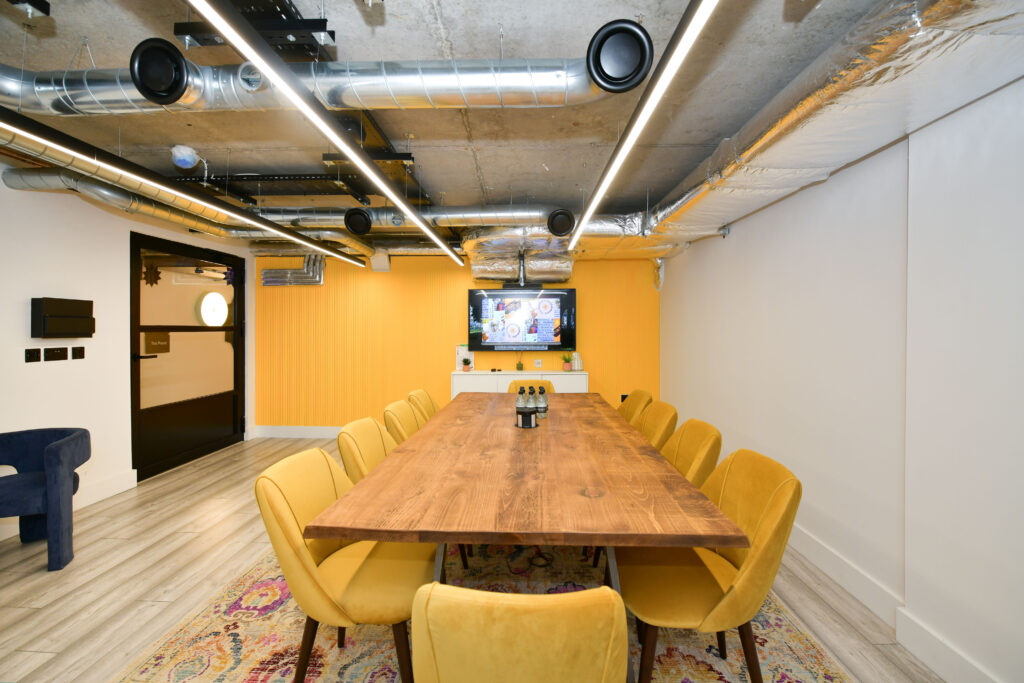
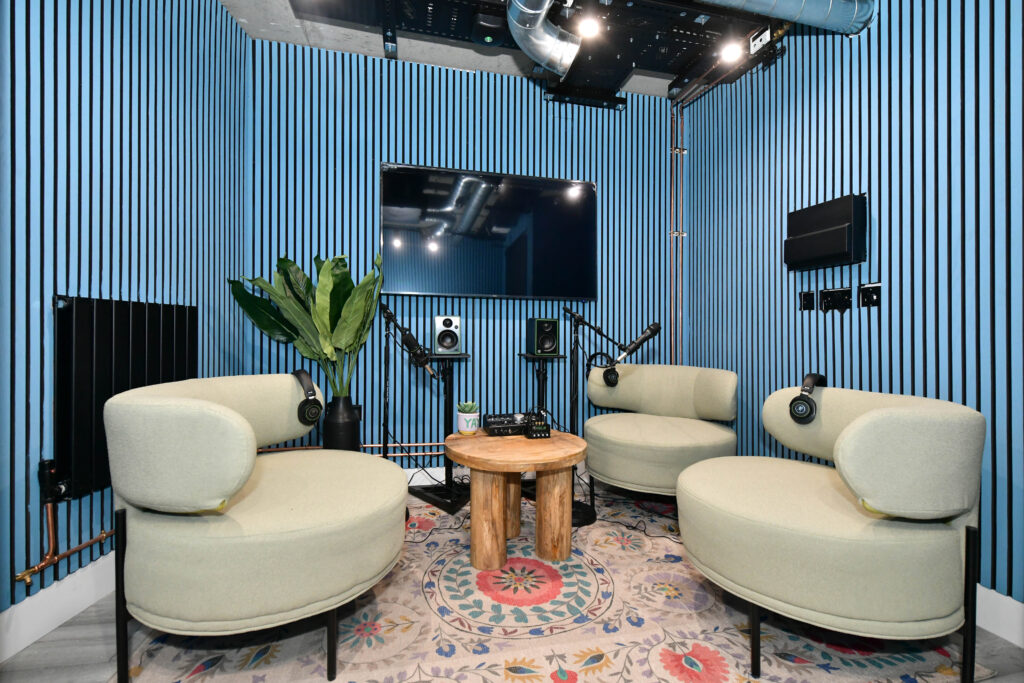
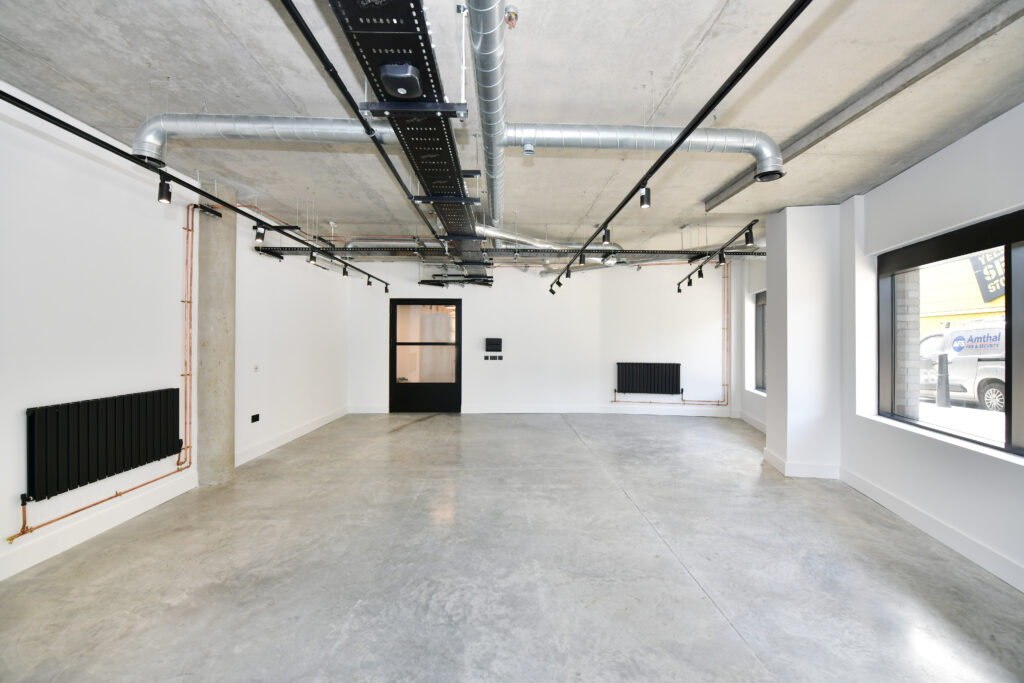
LSY Engineering Consultants Ltd was appointed by a property fund as lead Structural Engineer for the £6 million refurbishment of an existing mixed-use development in East London.The project involved the creation of approximately 238m² of additional mezzanine floor space within the existing building to provide new office accommodation at ground and first-floor levels.
LSY provided structural engineering services from RIBA Stage 2 through to Stage 5, including concept design, structural assessments, detailed design, BIM coordination, construction support, and site supervision through to final handover.The objective was to maximise the usable floor area within the building while working within the constraints of the existing concrete frame and foundation system.
Challenges
The primary engineering challenge was the capacity of the existing structure. The building comprised a reinforced concrete frame supported on a piled foundation and ground beam arrangement, with a 200mm reinforced concrete slab. Initial structural assessments indicated that the existing slab could not safely accommodate significant additional point loads from new mezzanine columns.
As a result, the proposed column positions had to be carefully coordinated so that loads could be transferred directly into the existing structural frame and foundation system. This required the new steel columns to align with existing concrete columns and pile locations, ensuring that additional loads were transferred efficiently through established load paths.
A further constraint was the client’s requirement to maintain generous clear headroom throughout the office accommodation. The structural zone available for the new mezzanine construction was limited to just 225mm, requiring an innovative and efficient floor construction solution.
Process
LSY commenced the project by obtaining and reviewing the original structural engineering drawings, reinforcement details, and foundation information for the existing building.
This enabled us to undertake detailed assessments of the:
- Existing loading conditions.
- Existing reinforced concrete frame.
- Foundation system.
- Ground beam arrangement.
- Pile capacities.
Using the available information, we verified the dead and imposed loads acting on the existing structure and established the reserve capacity available within the foundations and piles. A key project requirement was that the new mezzanine structure should increase the loading on the existing piles by no more than 10%. Detailed structural calculations were therefore undertaken to assess various structural arrangements and identify the most efficient load transfer strategy. Through careful coordination of the column layout, we were able to ensure that loads from the new mezzanine structure aligned with existing pile and column locations, allowing the revised loading conditions to remain within acceptable capacity limits.
To satisfy the strict headroom requirements and restricted structural depth, LSY developed a lightweight floor solution comprising:
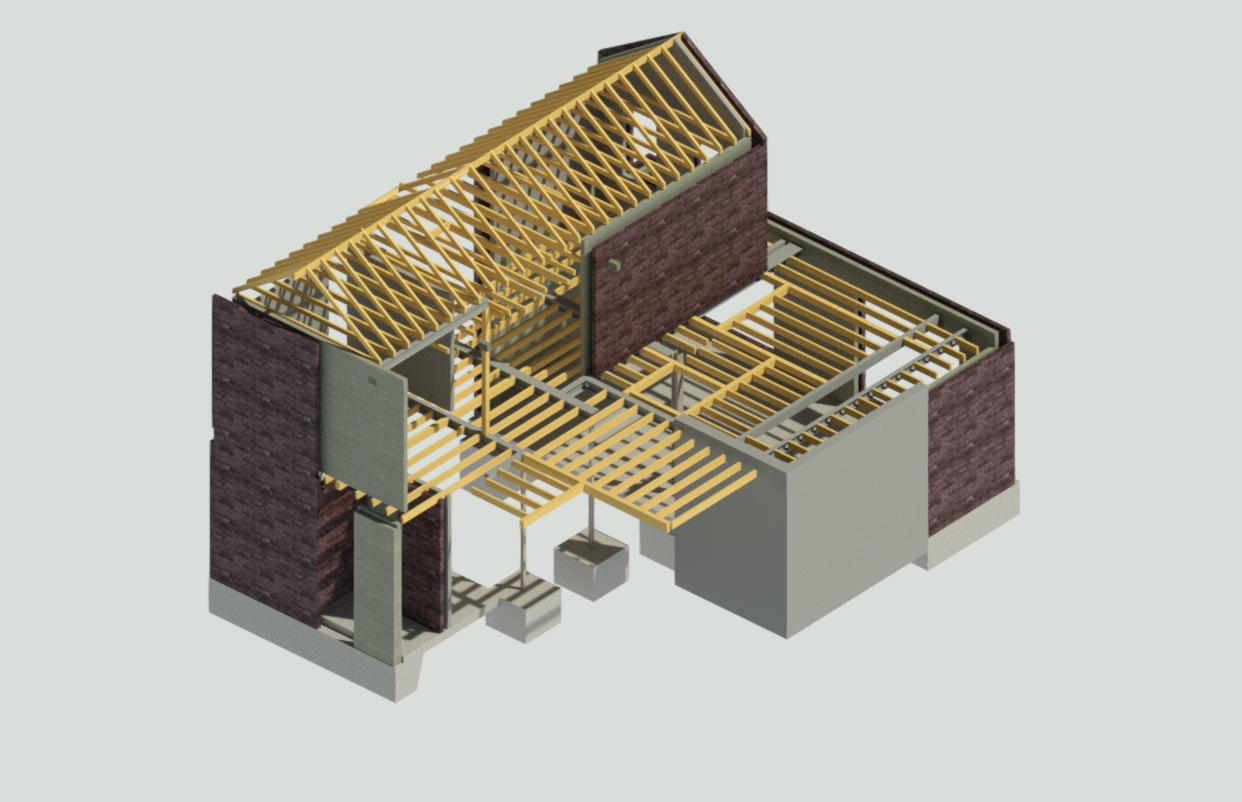
- 203 UKC steel beams
- 200 x 50 C24 timber joists
This arrangement enabled the client to achieve the required floor area while maintaining the desired ceiling heights throughout the development. The entire project was modelled in BIM, enabling close coordination between the architectural, MEP, structural, and steel fabrication teams. This collaborative approach helped identify potential clashes early in the design process and ensured the new mezzanine structure could be integrated efficiently within the existing building. Throughout the construction phase, LSY remained involved through site inspections and ongoing technical support, ensuring the works were delivered in accordance with the approved design.
Outcome
The project was delivered successfully and in accordance with the client’s programme requirements.Through detailed structural assessments and careful load management, LSY was able to introduce approximately 238m² of additional office accommodation without requiring major alterations to the existing foundation system.
The lightweight structural solution enabled the required headroom to be maintained while ensuring that loading limits on the existing piles and concrete frame were not exceeded.The use of BIM throughout the project facilitated effective coordination between all project disciplines, reducing construction risk and helping ensure a smooth delivery process.
Back to all projects