Temporary Works
Dover Town Hall, UK
Project Brief
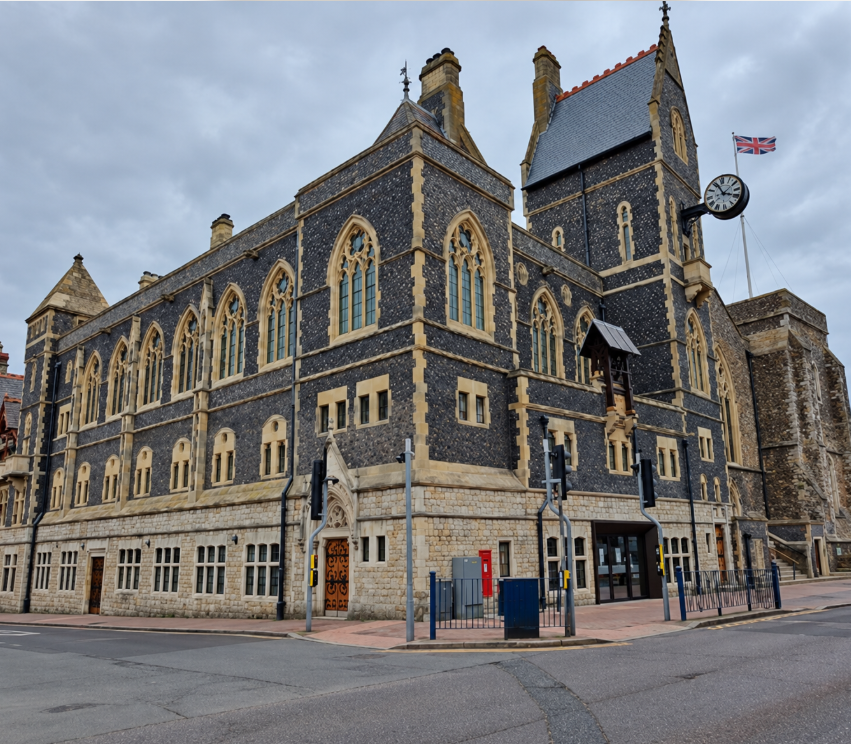
LSY Engineering Consultants Ltd was appointed to provide temporary works design and structural engineering support for the refurbishment of Dover Town Hall (Maison Dieu), a Grade I listed heritage building. Working alongside Coniston Ltd, LSY developed temporary works designs to support alterations within the historic structure.
The project involved significant refurbishment and alteration works within a highly sensitive heritage environment, requiring carefully considered temporary works solutions to protect the existing structure throughout construction.
Our involvement focused on supporting the construction phase by assessing existing structural arrangements, identifying risks, and developing temporary works designs that enabled the contractor to safely undertake the refurbishment while preserving the building’s historic fabric.
Challenges
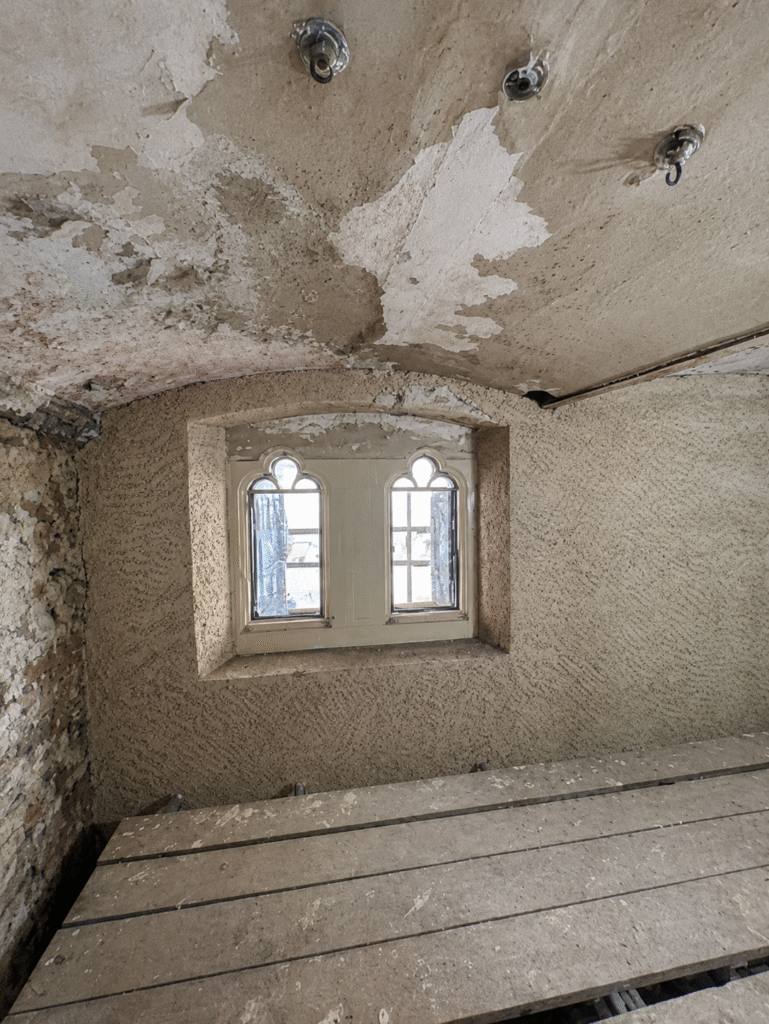
Working within a Grade I listed building presented a number of unique structural and construction challenges. A key challenge was designing temporary works that could be integrated with the existing historic structure without causing damage to original building elements. Temporary support was required in several locations where masonry was being altered or removed, particularly around a series of existing masonry arches that formed an important part of the building’s structural and architectural character.
The project also involved the construction of a new lift shaft and installation of new services within the building, requiring excavations to be undertaken in close proximity to existing foundations and historic masonry walls.
As work progressed, it was essential that temporary works solutions remained compatible with the contractor’s programme, construction methodology, and restricted working environment while ensuring the continued stability of the structure at all times.
Process
LSY adopted a collaborative approach, working closely with Coniston Ltd from the early stages of construction to develop practical and buildable temporary works solutions.
The range of temporary works designed for the project included:
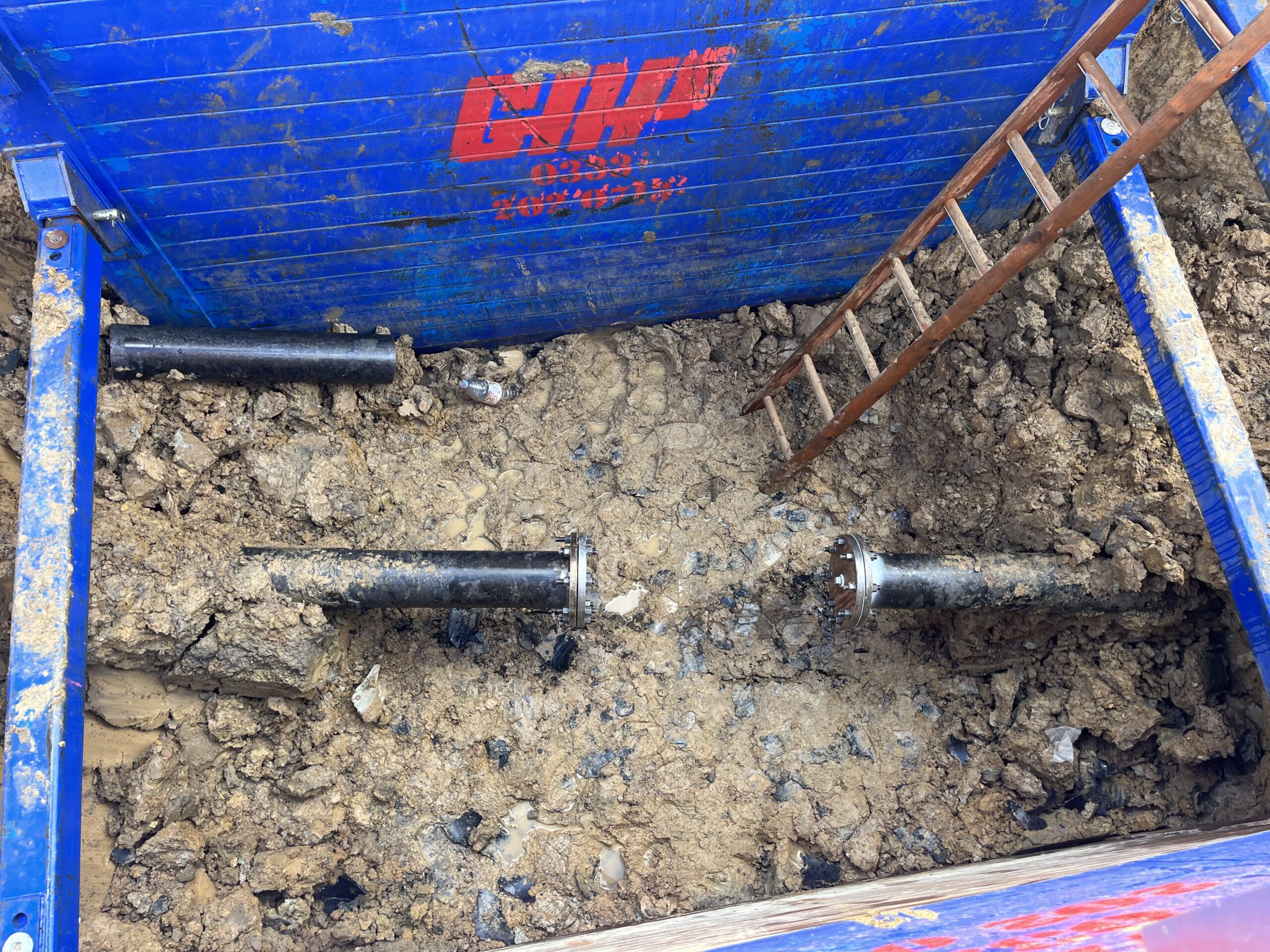
- Excavation shoring arrangements.
- Masonry arch propping.
- Needling and propping systems.
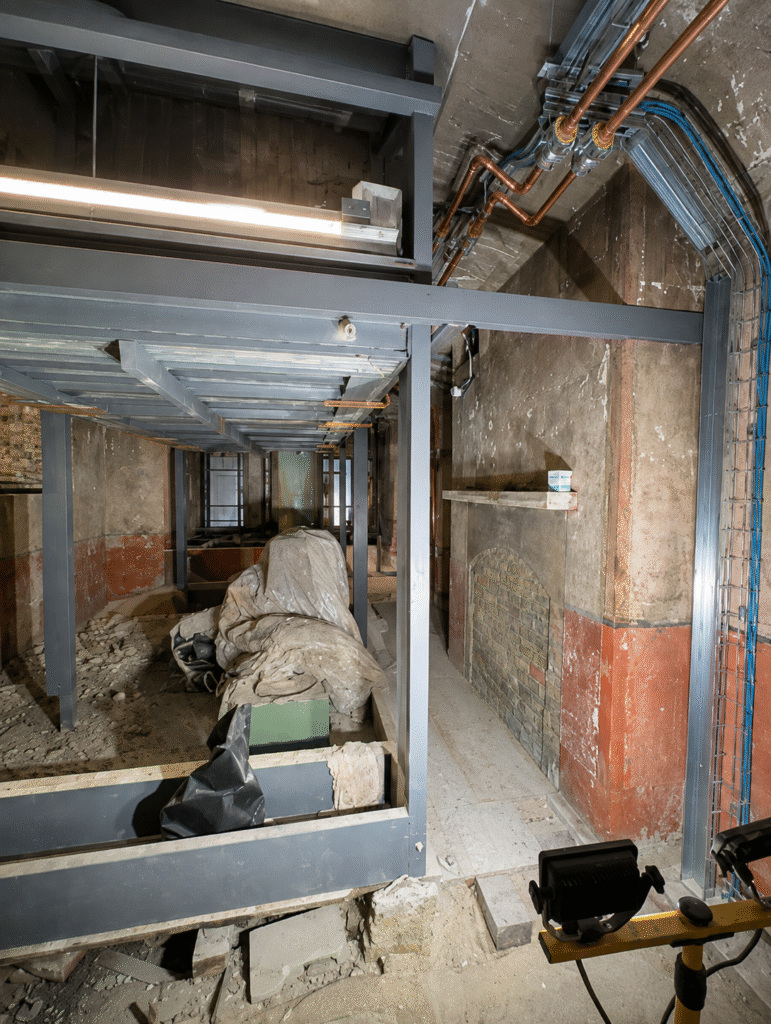
- Steel support systems.
- Temporary hoarding structures.
An initial site inspection was undertaken with the contractor to verify the existing construction, assess structural conditions, and identify potential constraints that could influence the temporary works design.
During this process, we reviewed the contractor’s preferred construction methodology, available materials, and proposed sequence of works. To maximise efficiency and improve buildability, the designs incorporated standard temporary works components such as steel needles, proprietary props, and timber support members wherever appropriate.
Following confirmation of the existing masonry arch construction, LSY developed a temporary support and restraint system designed to maintain the stability of the arches during the refurbishment works.
Particular attention was given to controlling movement and ensuring loads were transferred safely while allowing access for construction activities. The solution enabled the contractor to undertake alterations adjacent to the arches without compromising the integrity of the historic structure.
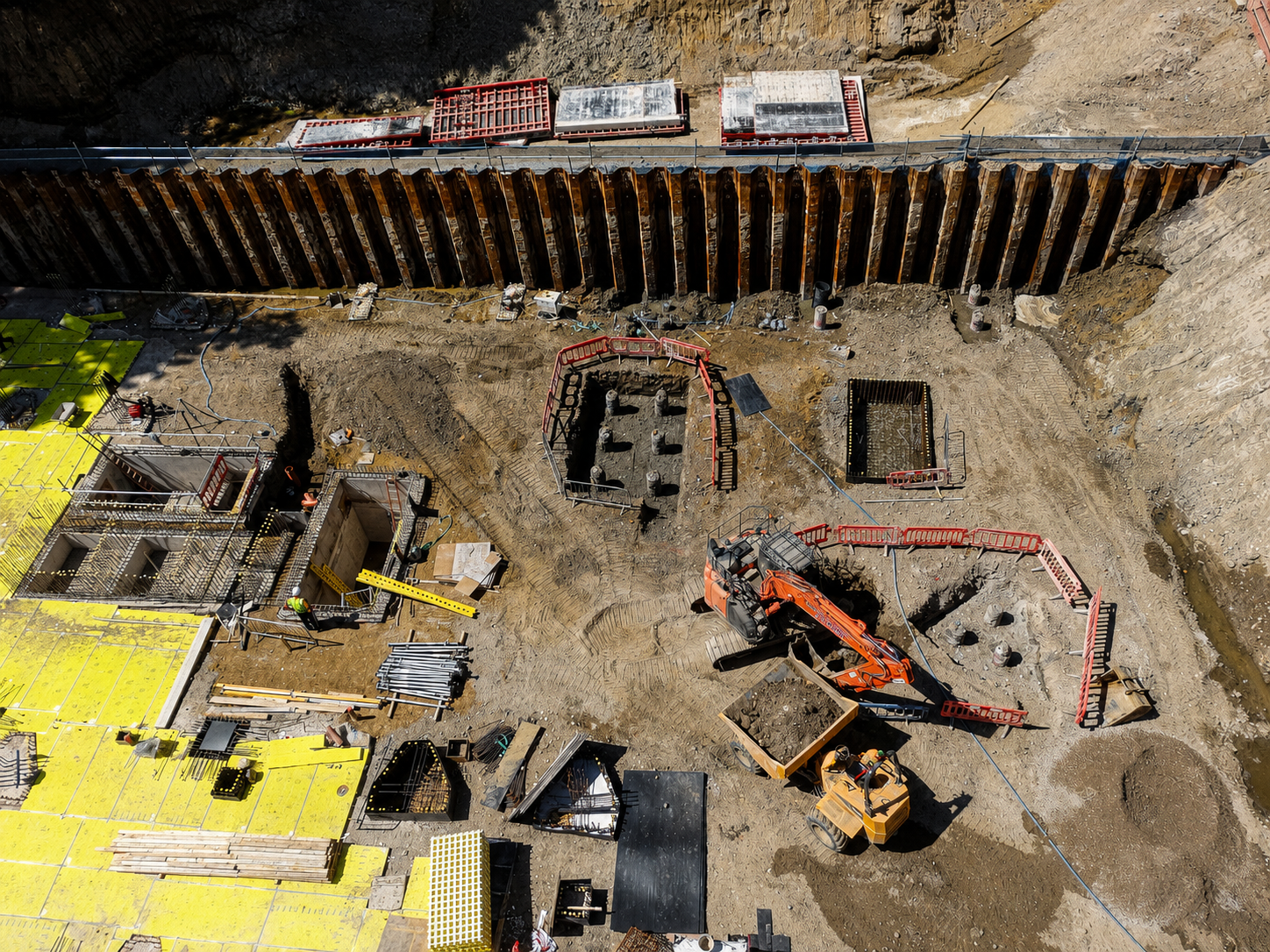
Temporary works were also required to facilitate the excavation for a new reinforced concrete lift shaft. We reviewed the available geotechnical information and assessed the existing foundation arrangements before developing an excavation support scheme tailored to the site conditions.
The design considered:
- Construction sequencing requirements.
- Contractor access and buildability.
- Excavation stability.
- Existing foundation levels.
- Protection of adjacent structures.
This approach enabled the excavation and construction of the permanent lift shaft to proceed safely while maintaining the stability of the surrounding historic building fabric.
Throughout the project, LSY remained available to provide technical support, review site conditions, and respond to contractor queries as construction progressed.
Outcome
The temporary works solutions were implemented successfully, allowing the refurbishment works to proceed safely and efficiently without compromising the stability of the existing masonry arches, foundations, or surrounding historic structures.
Through close collaboration with Coniston Ltd and a practical approach to temporary works design, the project team was able to overcome the challenges associated with working within a listed building while maintaining programme requirements and protecting the building’s heritage significance.
Following the successful delivery of the scheme, LSY Engineering Consultants Ltd has continued to work with the same client on a number of projects across London and throughout the UK.
Back to all projects