Temporary Works
Wick Lane, Windsor, UK
Project Brief
LSY Engineering Consultants Ltd was appointed to provide temporary works engineering services for a major hotel redevelopment project in the Royal Borough of Windsor and Maidenhead.
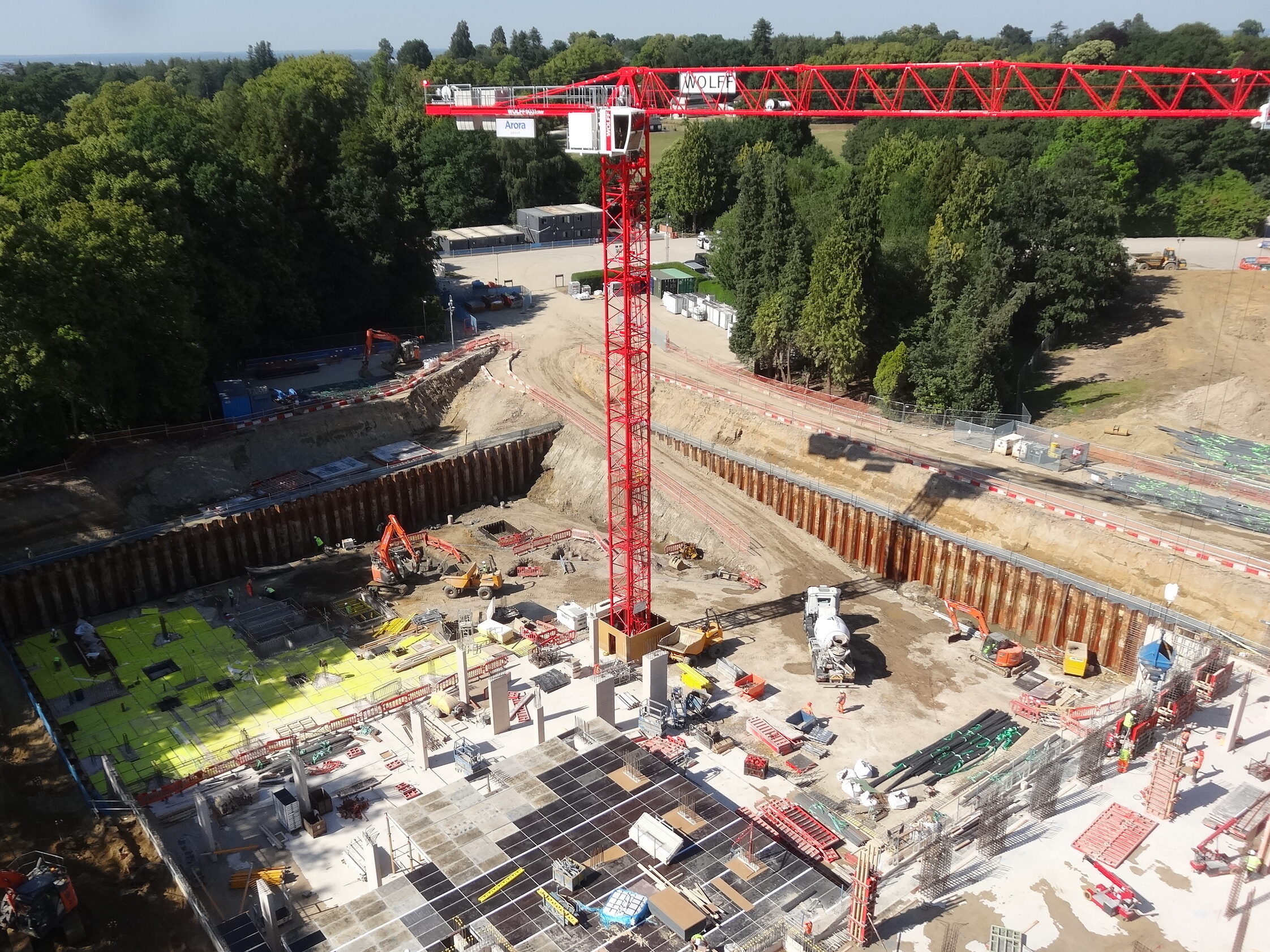
The scheme involved the construction of a substantial two-storey basement extension beneath a luxury five-star hotel. The proposed basement measured in excess of 8,000m² and was to be constructed entirely below the existing groundwater table, creating significant geotechnical and temporary works challenges.
Our scope of services included the design, assessment, and certification of numerous temporary works elements, including:
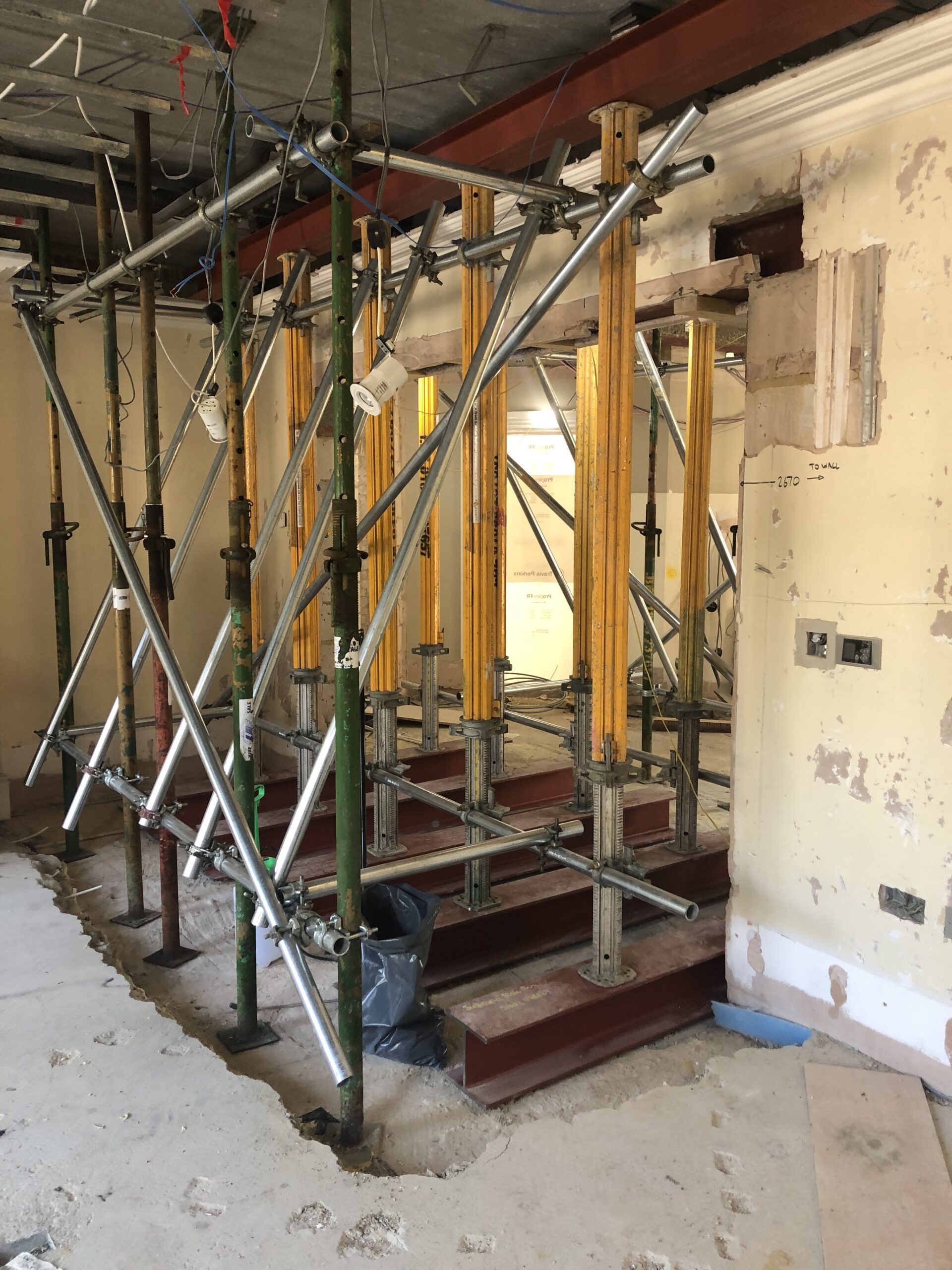
- Back-propping certification
- Concrete placing boom temporary support certification
- Crane base certification
- Piling platform designs
- Scaffold base designs
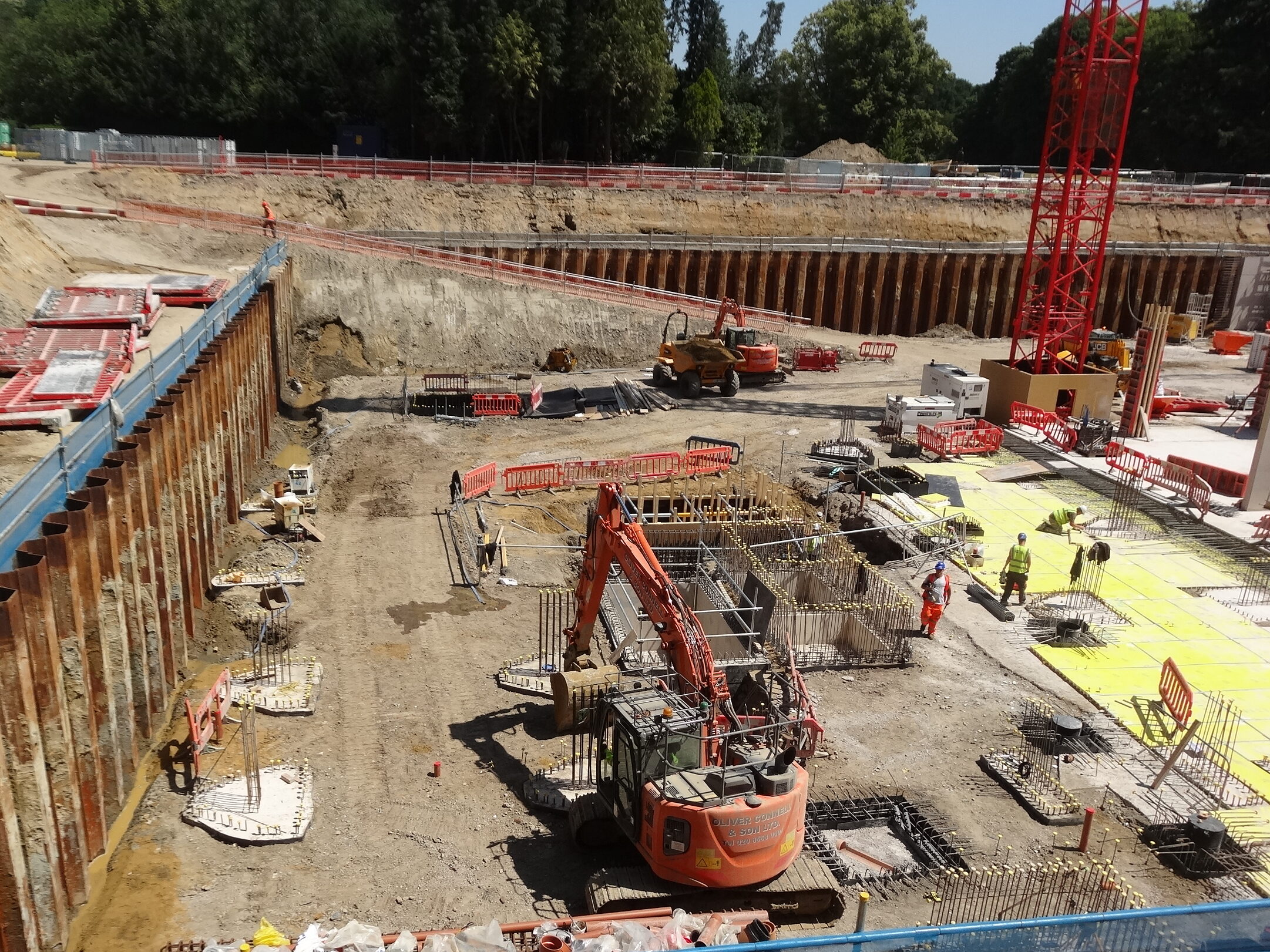
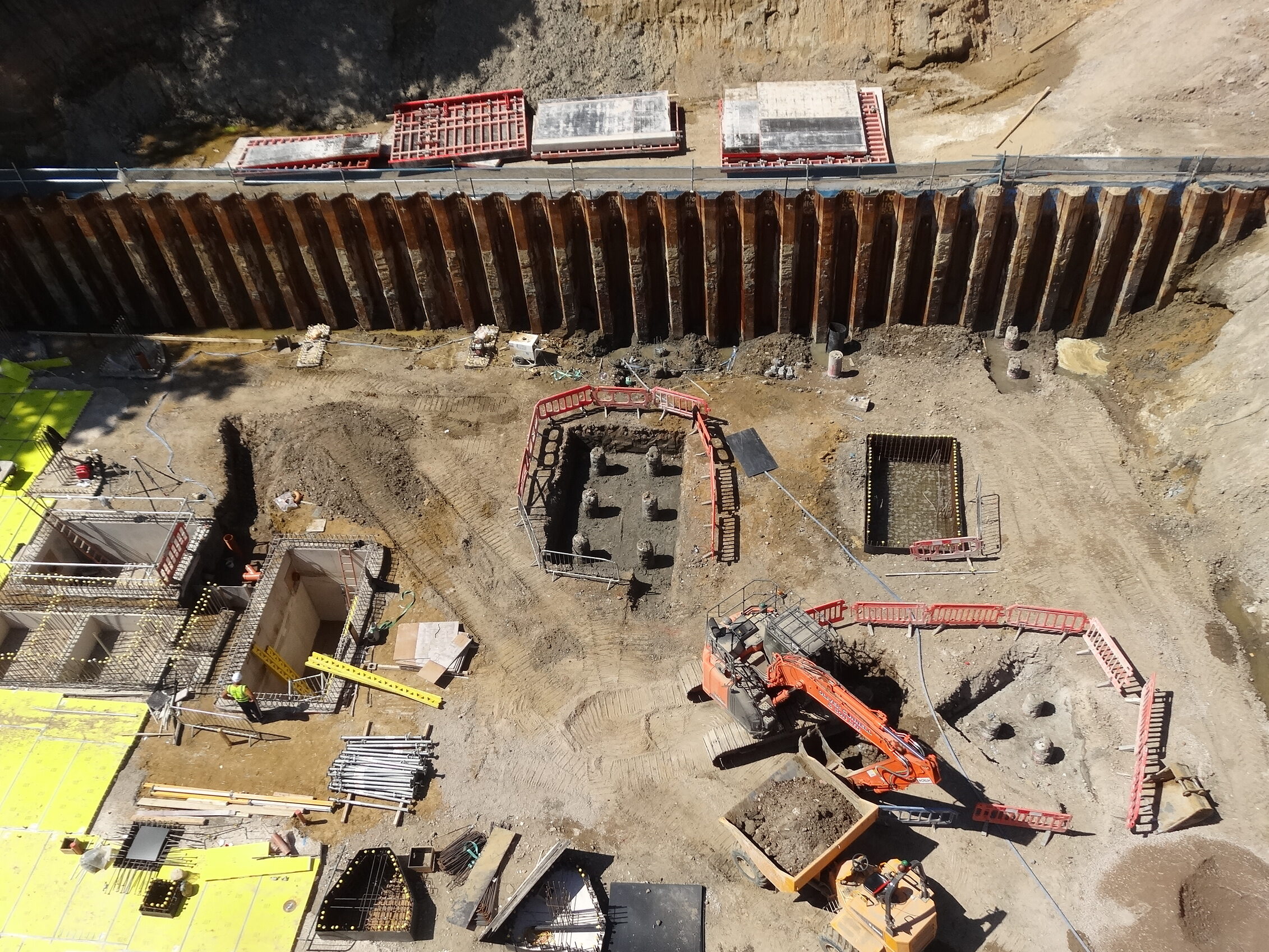
- Sheet pile retention systems
- Thrust block designs
The project required close collaboration with the contractor, geotechnical engineers, and wider design team to ensure that the temporary works strategy aligned with both programme and construction requirements.
Challenges
The scale and complexity of the basement excavation created a number of significant engineering challenges. The proposed basement extended over a large footprint and required construction below the groundwater table, necessitating substantial temporary retaining works to maintain excavation stability and control ground movements during construction.
In addition, the overall project programme involved multiple concurrent construction activities, requiring several temporary works packages to be designed, coordinated, approved, and installed within tightly constrained timescales. Given the size of the excavation and the interaction between the temporary works systems, it was essential to identify solutions that would not only maintain stability but also maximise productivity, site access, and construction efficiency throughout the programme.
Process
Following a review of the geotechnical investigation data and site constraints, the initial concept design proposed a traditional sheet piled retaining wall system supported by internal walers, struts, and reinforced concrete thrust blocks.
This arrangement was developed to resist the significant lateral earth and groundwater pressures associated with the deep excavation.
LSY subsequently undertook a detailed design appraisal of the proposed temporary works system, including an assessment of:
- Construction sequencing implications.
- Earth pressures.
- Ground conditions.
- Groundwater effects.
- Thrust block stability requirements.
- Waler and strut forces.
Our analysis identified that the proposed thrust block solution would require substantial temporary foundations and extensive construction works. In addition to increasing project costs, the arrangement had the potential to restrict site access and extend the construction programme significantly.
Recognising these limitations, LSY worked proactively with the contractor to identify a more efficient solution. Following discussions with specialist temporary works contractors and geotechnical specialists, we recommended replacing the original thrust block arrangement with a propped sheet pile wall supported by ground anchors.
This alternative approach provided the required structural performance while delivering considerable benefits in terms of buildability, programme efficiency, and site logistics.
The revised solution eliminated the need for numerous internal thrust blocks and raking props, creating a significantly clearer working area and improving access for plant, equipment, and construction personnel throughout the basement excavation and construction phases.
LSY continued to provide temporary works support throughout the project, including certification of piling platforms, crane bases, scaffold foundations, and temporary support arrangements to facilitate the safe delivery of the works.
Outcome & Lessons Learnt
The revised temporary works strategy proved highly successful and delivered substantial benefits to both the contractor and client.
By adopting an anchored sheet pile solution, the project team was able to eliminate the need for approximately 35no. temporary thrust block foundations, resulting in significant reductions in excavation, concrete works, programme duration, and site congestion.
The removal of the raking prop and thrust block arrangements created a safer and more efficient working environment, providing improved access for construction activities and enabling machinery to operate more effectively within the excavation.
The alternative solution not only reduced project costs but also accelerated the construction programme, helping the contractor maintain progress on a highly complex and demanding development.
Back to all projects