Temporary Works
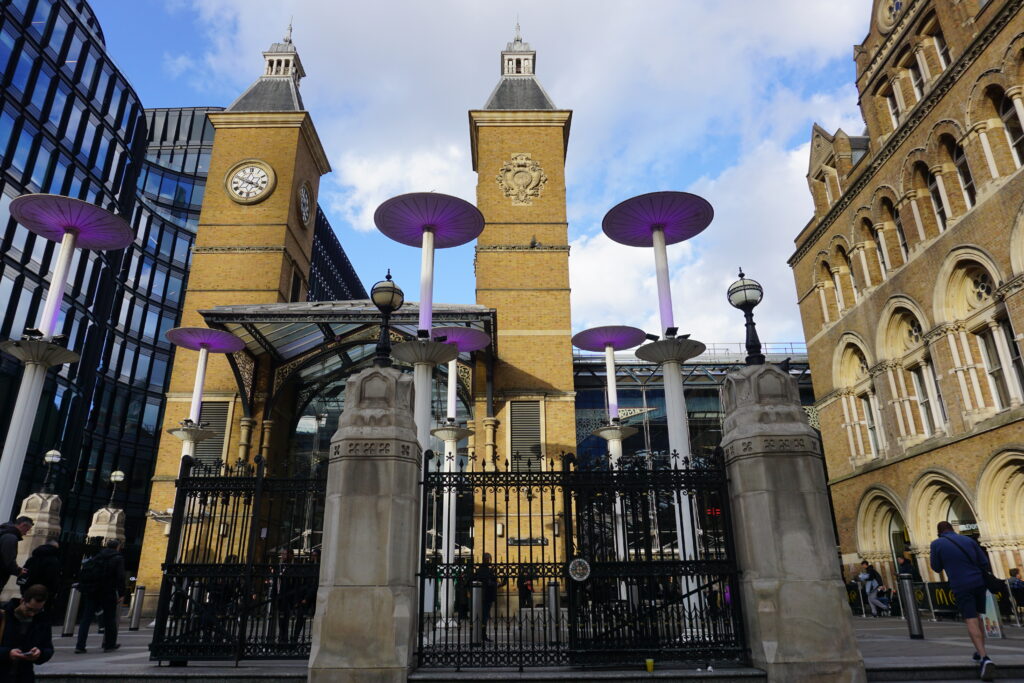
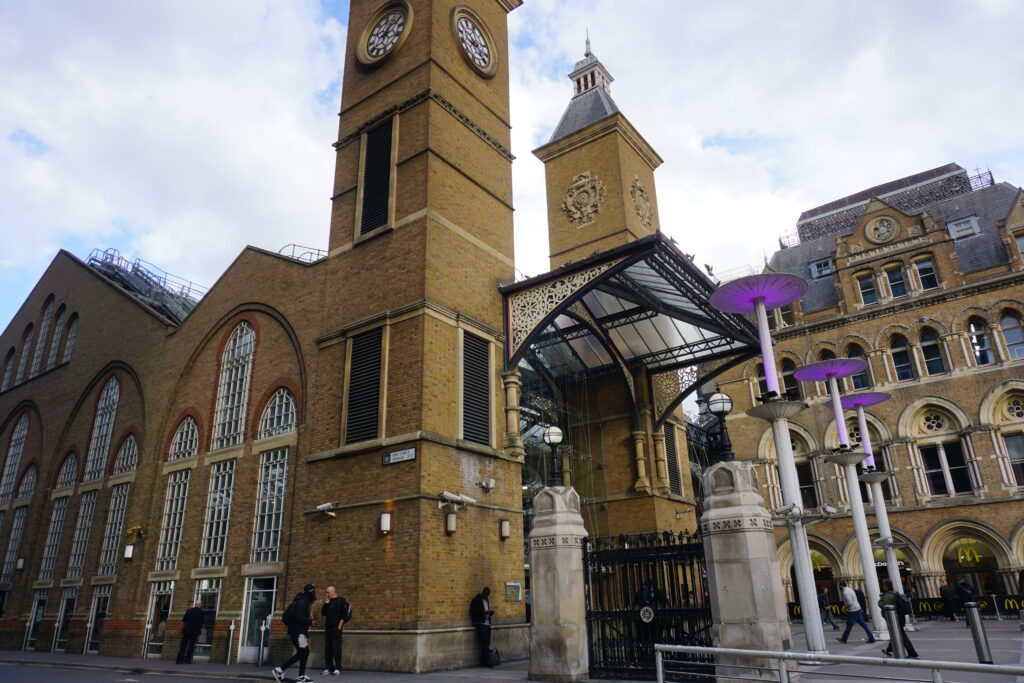
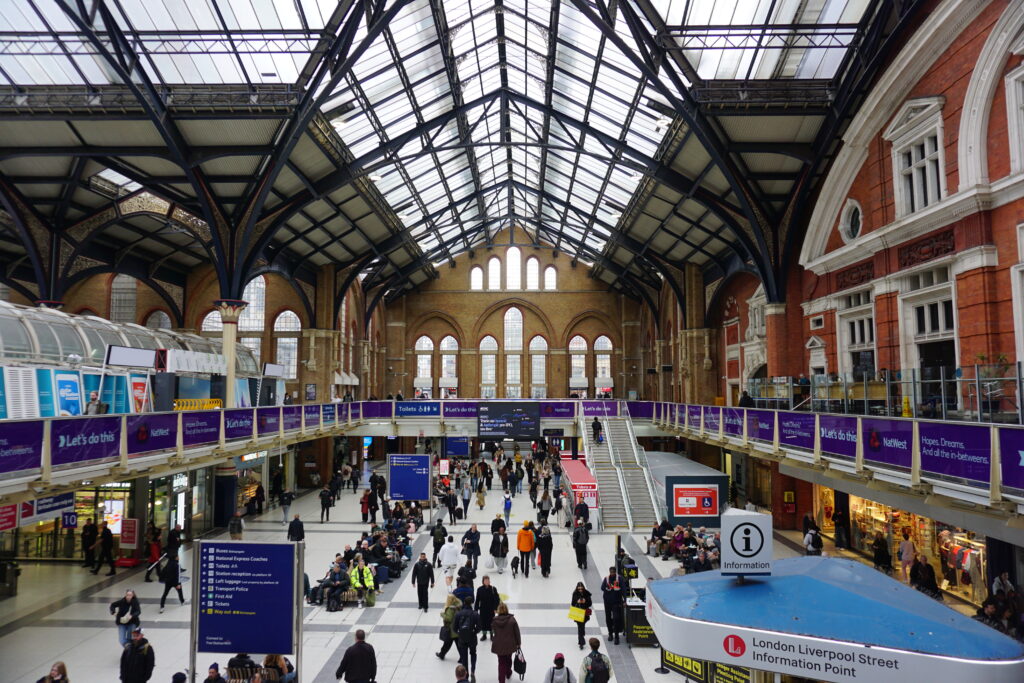
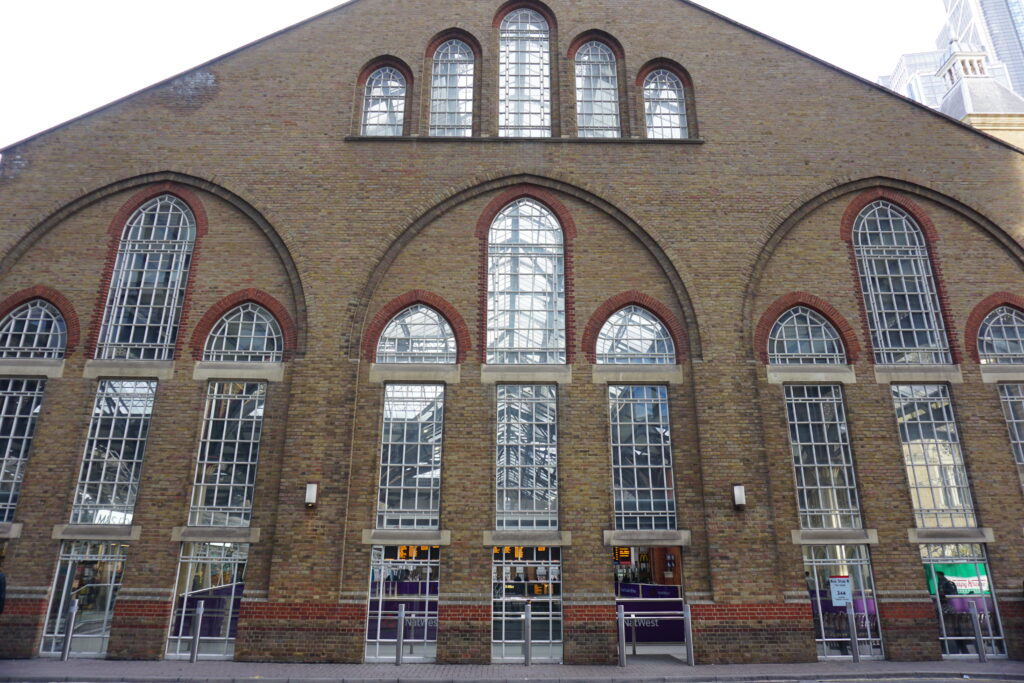
Liverpool Street, London, UK
Project Brief
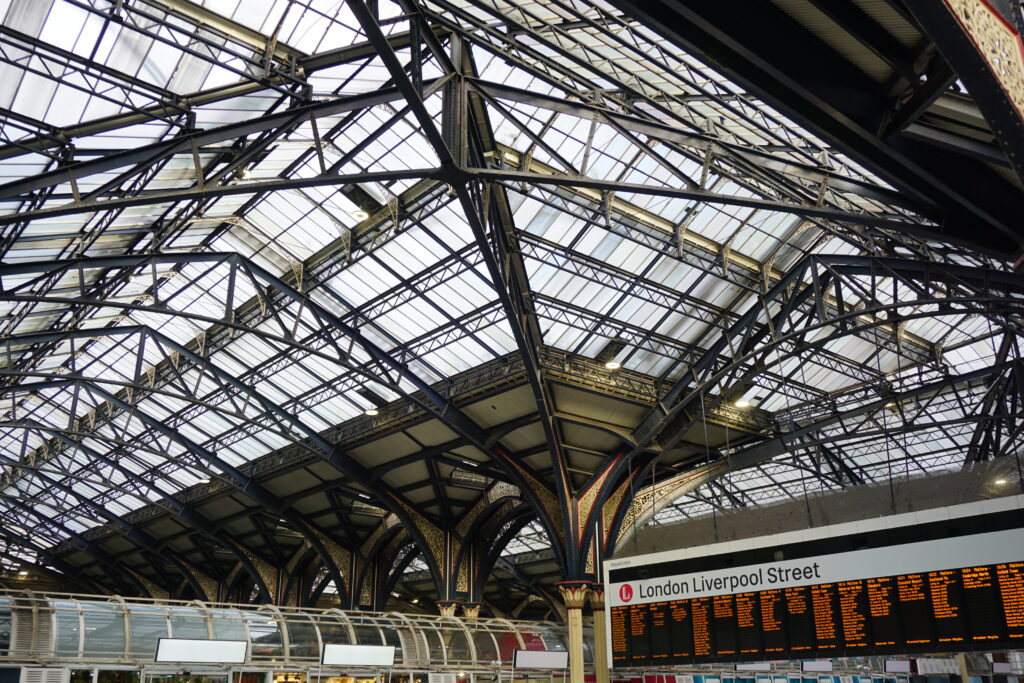
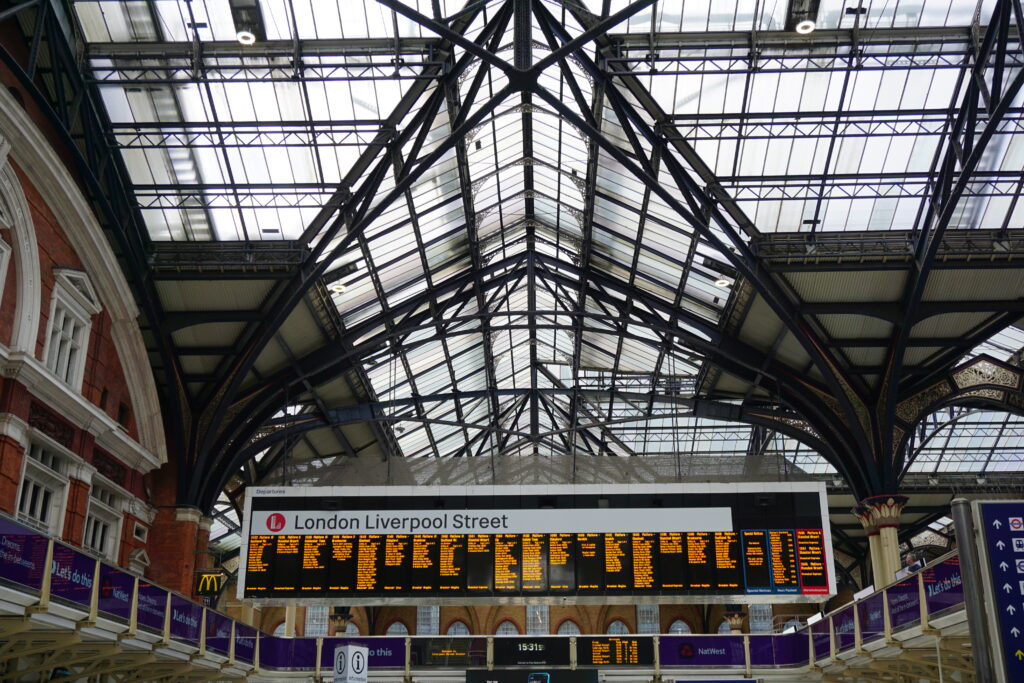
LSY Engineering Consultants Ltd was appointed as lead Temporary Works Engineer for a refurbishment project within Liverpool Street Underground Station, one of London’s busiest transport hubs.
The project involved the removal of an existing structural steel beam located above platform level within the operational station. Our scope included investigating the existing structure, developing a temporary works solution to facilitate the beam removal, and obtaining approval from both TfL’s internal engineering team and the permanent works designers.
Challenges
The project presented several significant technical and operational challenges. As the station remained fully operational during daytime hours, all site investigations and construction activities had to be undertaken during restricted night-time possessions. This placed considerable pressure on the design and construction programme, requiring efficient planning and rapid implementation.
A key challenge was the lack of available record information relating to the existing structure. No archive drawings or structural details were available for the steelwork within the platform area, meaning the size, configuration, support conditions, and material properties of the existing beams were unknown at the outset of the project.
Given the critical nature of the infrastructure and the live operational environment, it was essential that any assumptions regarding the existing structure were verified through detailed site investigations prior to commencing the works.
Process
Following the completion of opening-up works, LSY undertook a detailed structural survey of the existing steelwork. The survey included the measurement and assessment of the existing beams, enabling us to establish their span lengths, section dimensions, flange arrangements, and structural configuration. Through this investigation, it became evident that the steel members were older, non-standard sections rather than modern rolled steel profiles.
Further assessments were undertaken to establish the likely steel grade and structural stiffness characteristics of the existing members. The investigations also confirmed the presence of two parallel steel beams adjacent to the beam scheduled for removal.
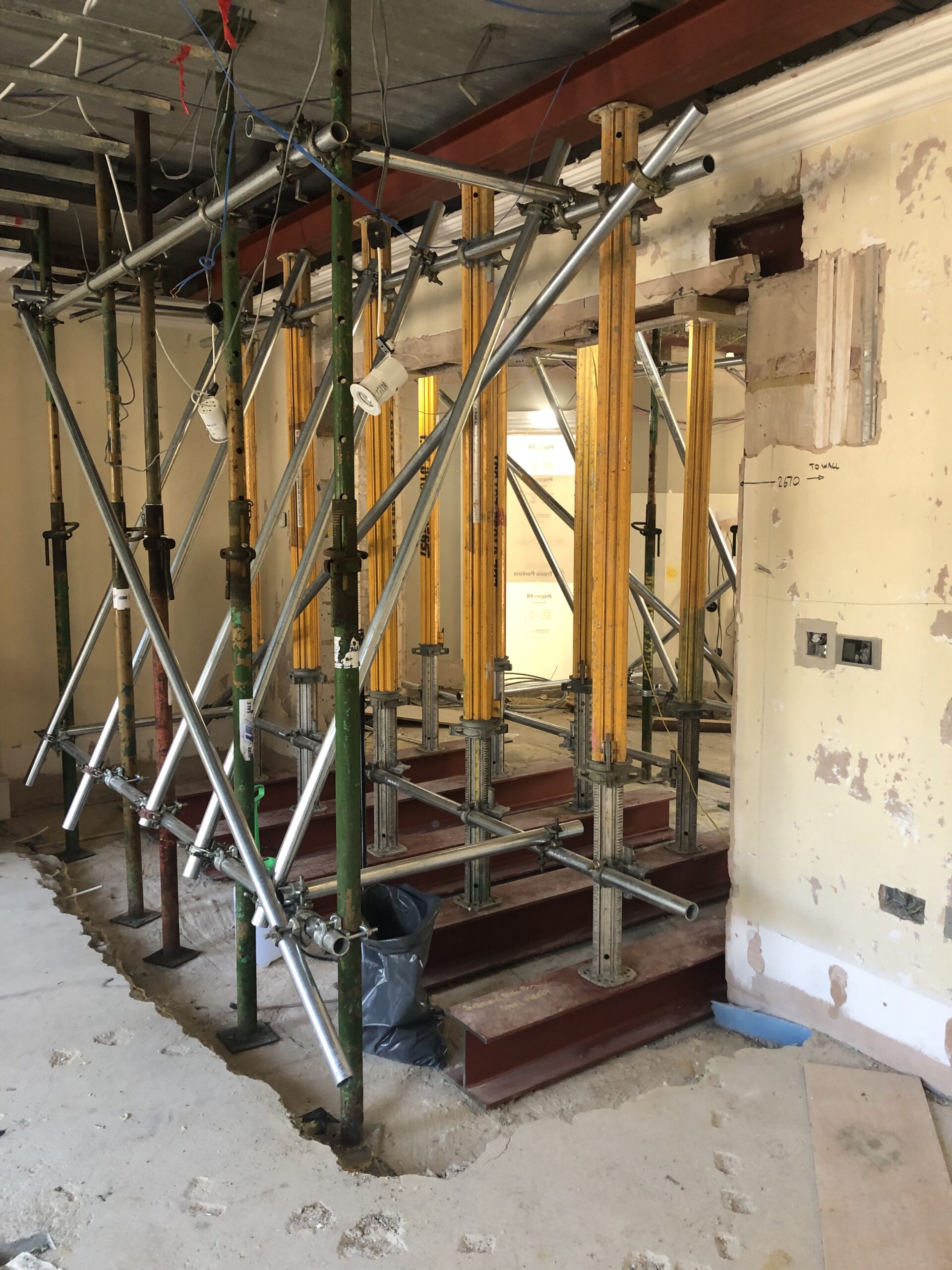
This discovery allowed us to develop a temporary works solution that utilised the existing structural frame to support the demolition process. The proposed scheme incorporated heavy-duty RMD props spanning between the adjacent steel beams, combined with heavy-duty chain supports attached to the beam being removed.
The existing beam weighed approximately six tonnes. To minimise lifting operations and facilitate removal within the station environment, it was agreed with the contractor that the beam would be dismantled and removed in 1m sections.
LSY undertook detailed structural calculations to verify that the adjacent existing steel beams could safely accommodate the temporary point loads generated during the sequential removal process. This approach eliminated the need for more intrusive temporary support systems while ensuring a safe and efficient method of construction.
Throughout the design process, we worked closely with the contractor, TfL representatives, and the permanent works engineers to ensure the proposed methodology was fully coordinated and compliant with project requirements.
Outcome
The temporary works proposal was successfully reviewed and approved by both TfL’s engineering team and the project’s permanent works designers.
The phased removal strategy enabled the six-tonne beam to be dismantled safely in manageable sections, reducing programme risk and simplifying site logistics within the constrained station environment.
All works were completed during planned night-time possessions and were delivered within a one-week programme, ensuring there was no disruption to station operations or passenger services.
The project demonstrated the importance of detailed site investigations, practical temporary works design, and close stakeholder collaboration when carrying out structural alterations within live transport infrastructure.
Back to all projects