Temporary Works
Dunkeld, Scotland, UK
Project Brief
LSY Engineering Consultants Ltd was appointed as Temporary Works Engineer and Contractor’s Engineering Manager (CEM) Coordinator for the upgrade and installation of an Intermediate Pressure (IP) Gas Pipeline adjacent to an operational Network Rail tunnel in Scotland.
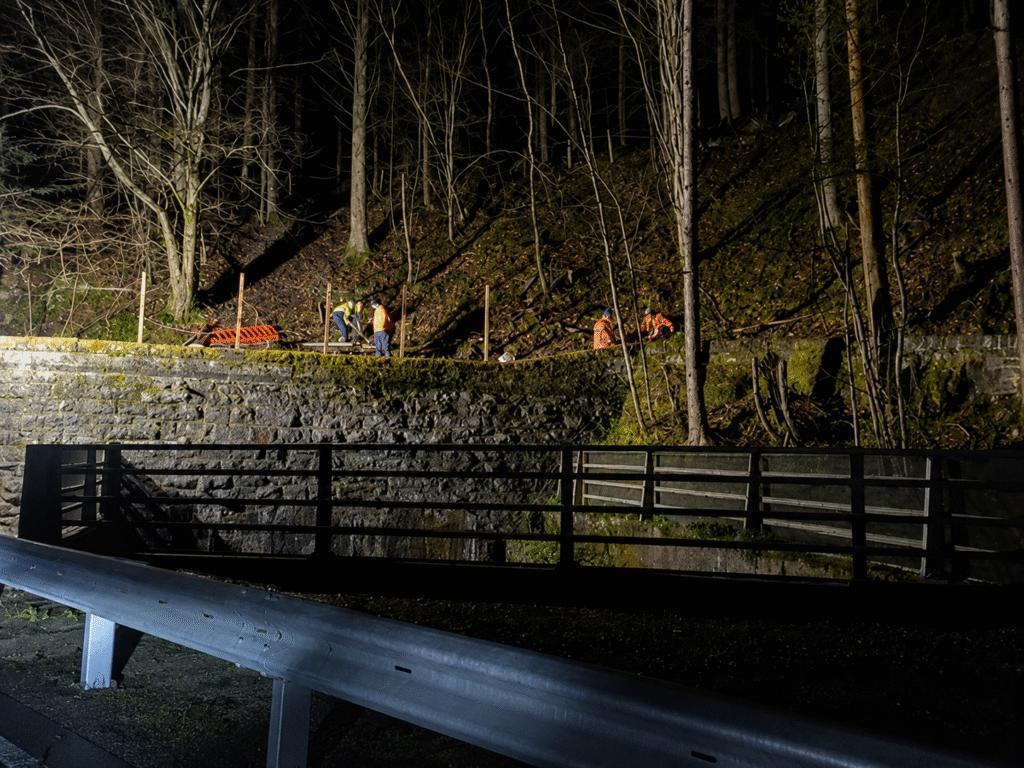
The works formed part of a critical infrastructure upgrade located along one of Scotland’s principal rail corridors between Edinburgh and Inverness. Due to the operational requirements of the railway network, construction activities could only be undertaken during restricted overnight possession periods between 23:00 and 05:00.
Our role included the design of temporary protective barrier systems to safeguard the railway infrastructure during the works, coordination of engineering approvals, and management of the temporary works process in accordance with Network Rail requirements.
Challenges
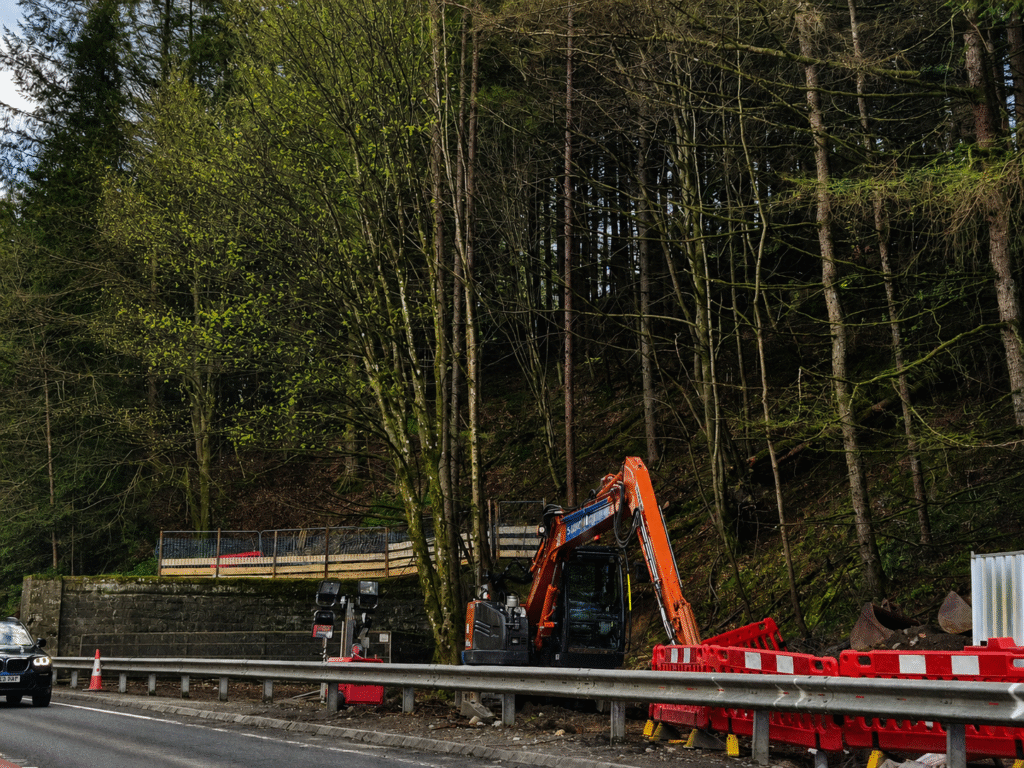
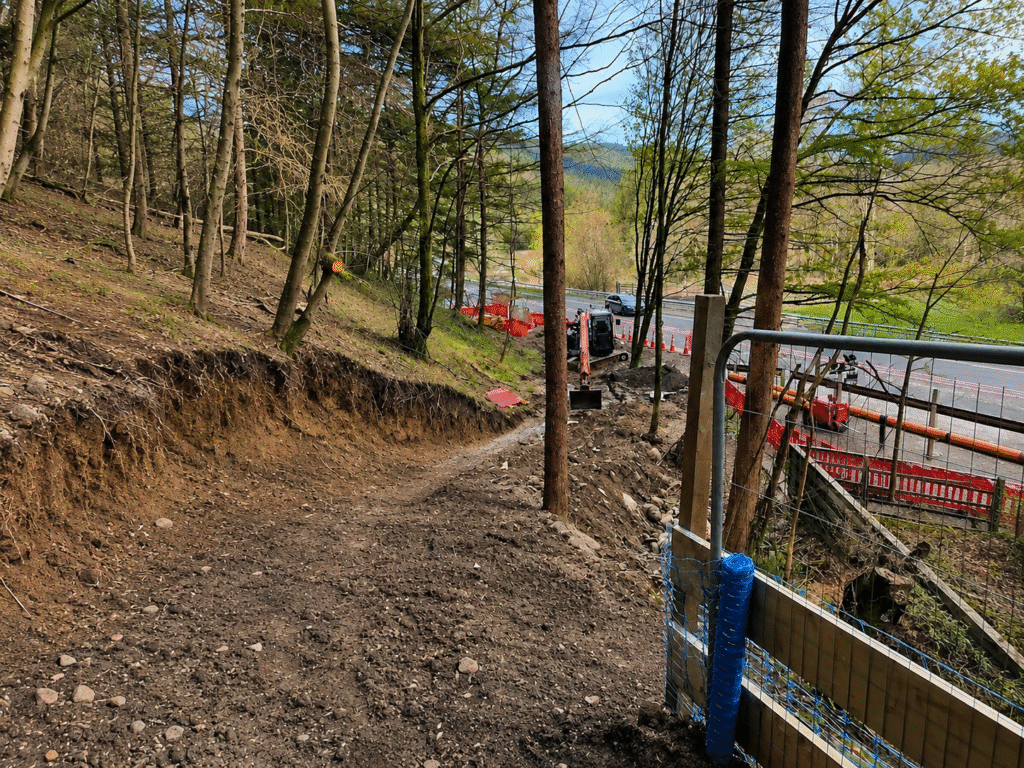
The project presented a number of technical, logistical, and programme-related challenges. The railway tunnel was situated adjacent to steeply sloping ground and a live highway, creating significant access constraints for the delivery, handling, and installation of materials. The proximity of the live railway infrastructure required careful consideration of both public safety and asset protection throughout the construction process.
Programme constraints were also a major factor. Access to the railway corridor was governed by planned possession and maintenance schedules, with available closure windows occurring only every six months. Consequently, any delays could have had significant impacts on the overall project programme and client objectives.
In addition, the potential for loose material and debris to travel down the embankment towards the tunnel required a robust containment strategy that would protect both railway operations and personnel working within the site boundary.
Process
LSY commenced the project by undertaking detailed coordination meetings with the contractor and key stakeholders to fully understand the construction methodology, site logistics, and operational constraints. This collaborative approach enabled the development of a comprehensive Design Method Statement and facilitated the early engagement and approval process with Network Rail.
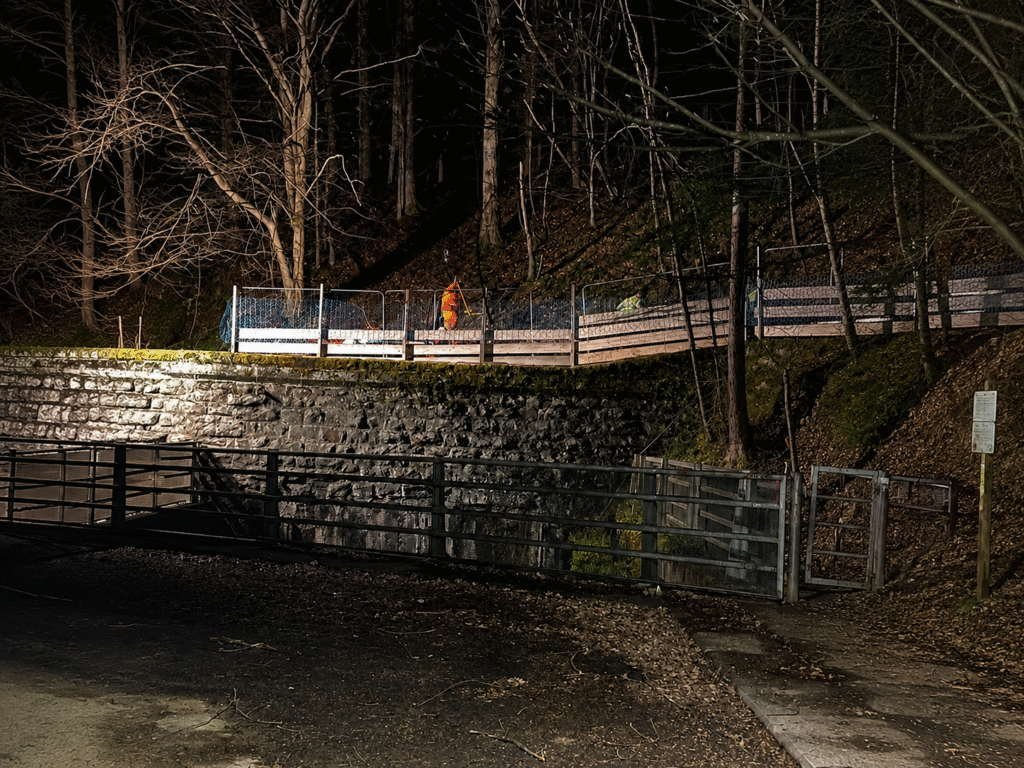
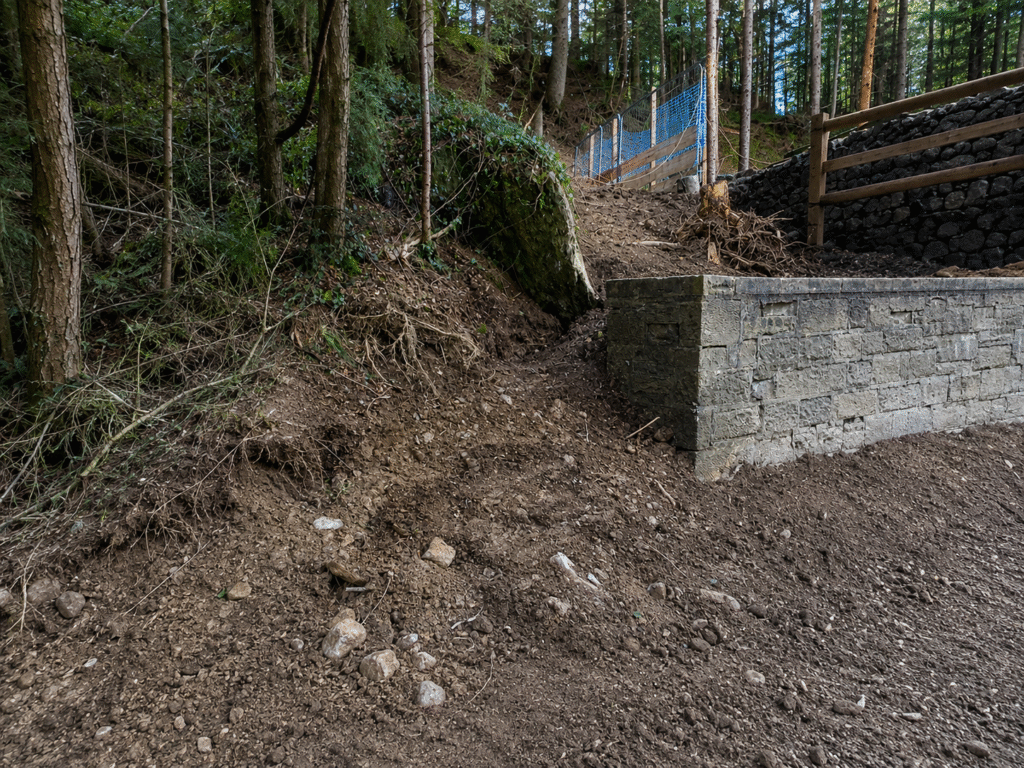
Following assessment of the site constraints, timber was selected as the most practical and efficient material for the protective barrier system, with timber posts and walers forming the primary structural elements. To mitigate the risk of debris falling from the adjacent embankment, the barrier arrangement incorporated 50mm gaps fitted with blue Netlon mesh fencing. This ensured effective debris containment whilst preventing material from entering the tunnel approaches.
Particular attention was given to protecting the existing railway structure. To avoid any risk of undermining the tunnel, the barrier foundations were designed using proprietary kentledge blocks rather than traditional excavated foundations. This solution eliminated the need for intrusive works close to the tunnel infrastructure while maintaining the required level of stability.
As part of the risk mitigation strategy, the tunnel structure was surveyed both before and after the works. Areas directly above the tunnel crown were excavated by hand to minimise the possibility of accidental damage to the tunnel roof. Trees located immediately above the tunnel alignment were carefully removed prior to excavation works commencing, reducing the risk of falling vegetation impacting railway operations.
In line with the project’s environmental objectives, all surplus timber from the temporary works was donated to local residents for use as firewood, ensuring materials were reused wherever possible.
The temporary barriers were designed to resist both wind loading and impact loading in accordance with the project design requirements. LSY also coordinated closely with the independent Category III Check Engineer and Network Rail engineering teams throughout the design review and approval process, ensuring full compliance with stakeholder requirements.
Outcome & Lessons Learnt
The temporary works and pipeline installation were successfully completed within the planned railway possession period, with the construction works delivered in just five weeks against an allocated six-week programme.
Careful planning, detailed engineering design, and effective stakeholder coordination enabled the project team to safely deliver the works adjacent to critical railway infrastructure without disruption to rail operations. The protective barrier systems performed as intended and provided a safe working environment throughout the construction phase.
The project achieved an outstanding safety record, recording zero injuries and zero lost-time incidents, demonstrating the effectiveness of the planning, coordination, and risk management processes implemented from the outset.
Back to all projects