Temporary Works
Charing Cross Station, London, UK
Project Brief
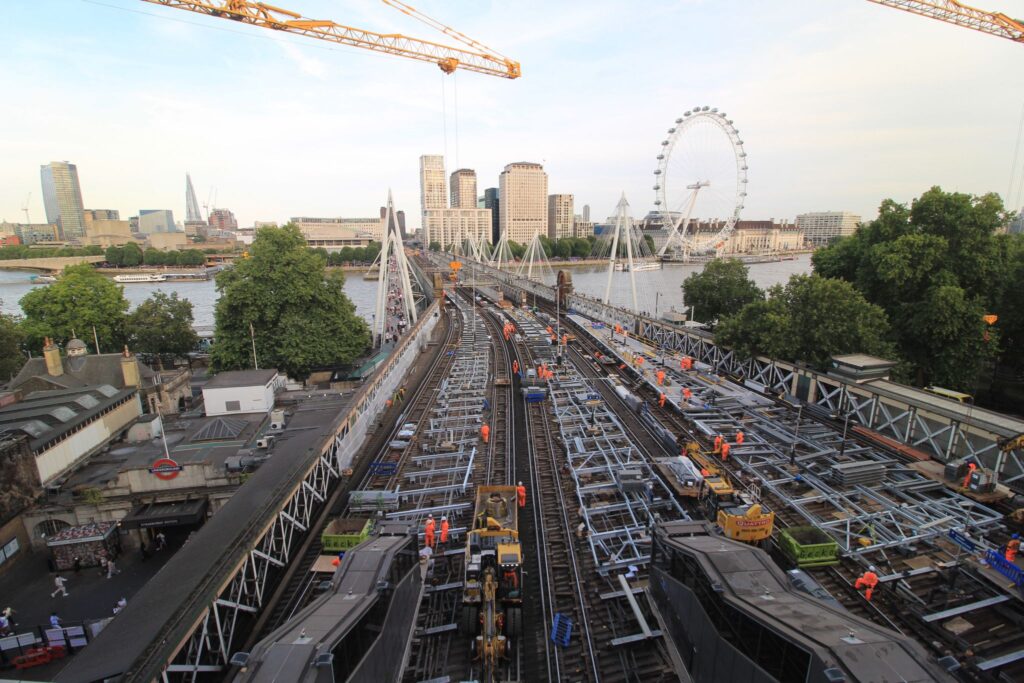
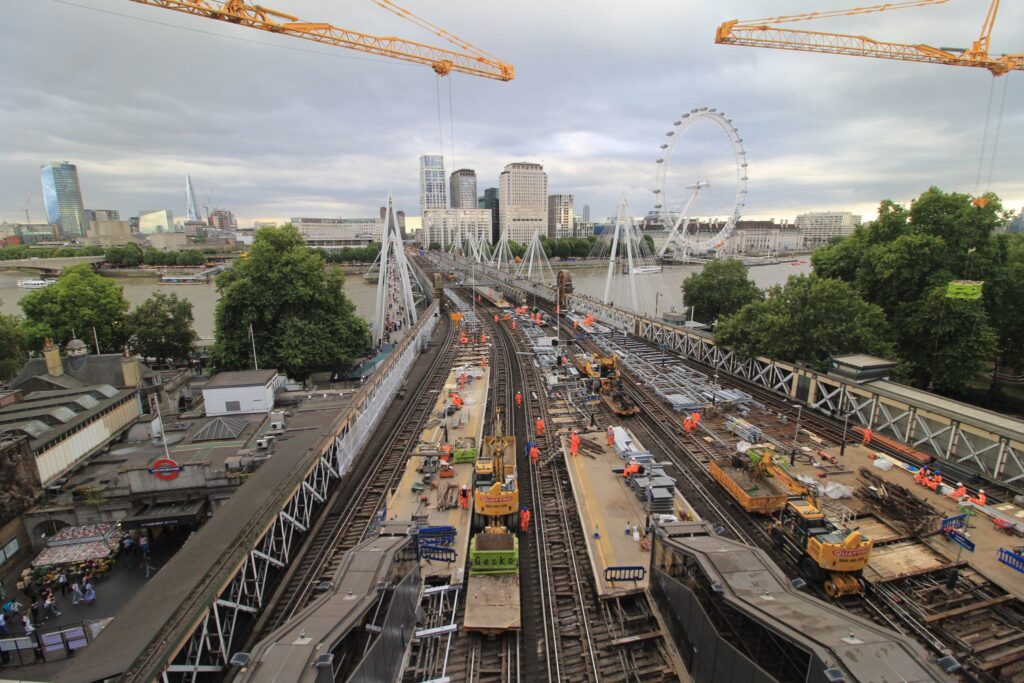
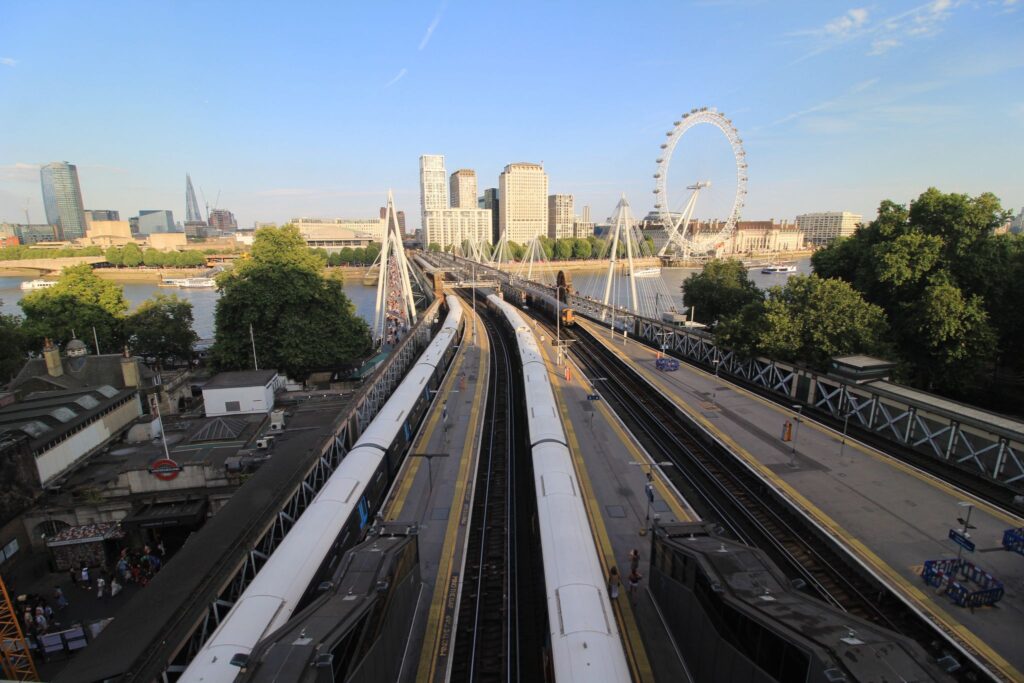
LSY Engineering Consultants Ltd was appointed to provide temporary works design and structural engineering support as part of a £20 million programme of upgrades to the 175-year-old Hungerford Bridge at Charing Cross Station.
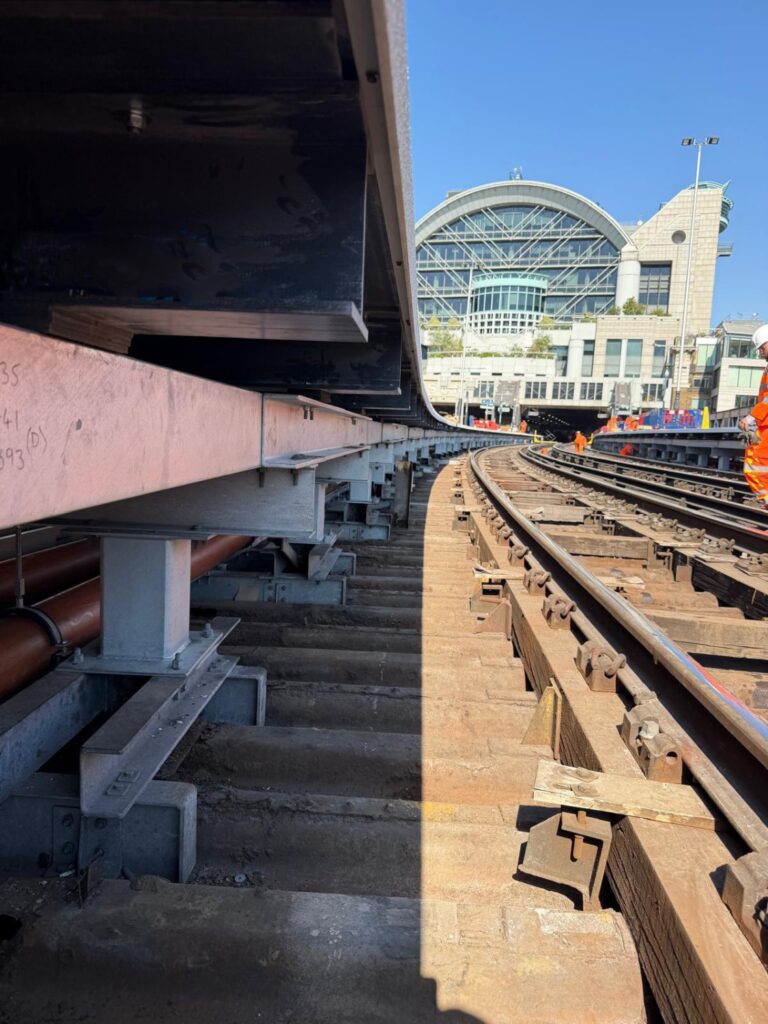
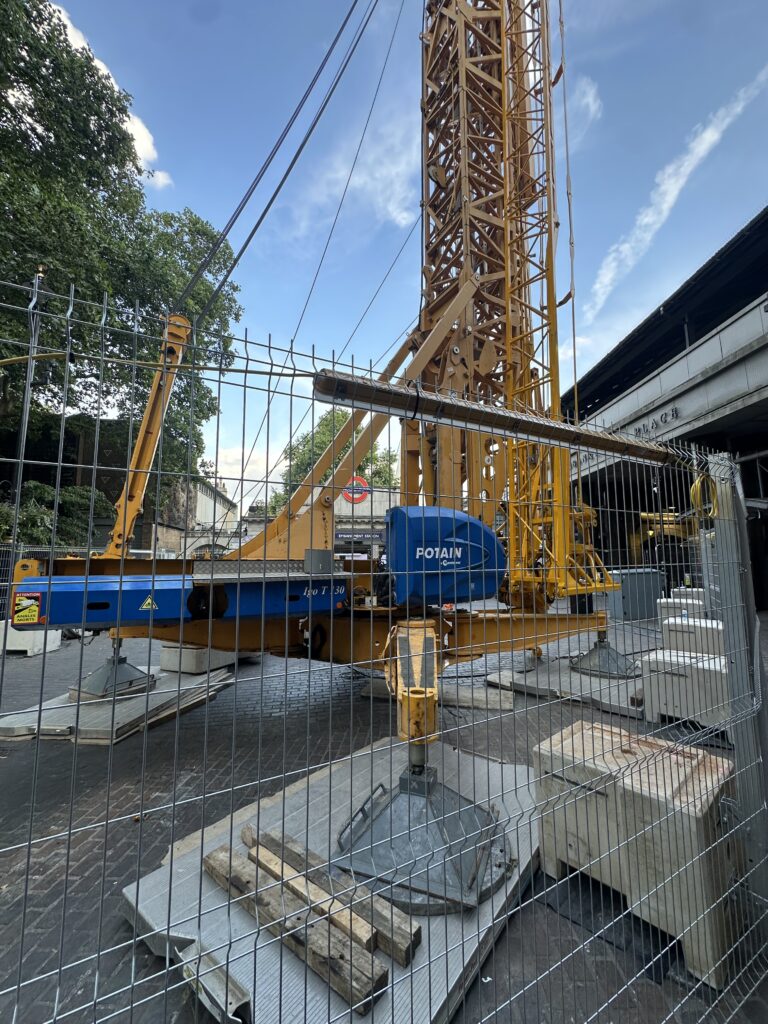
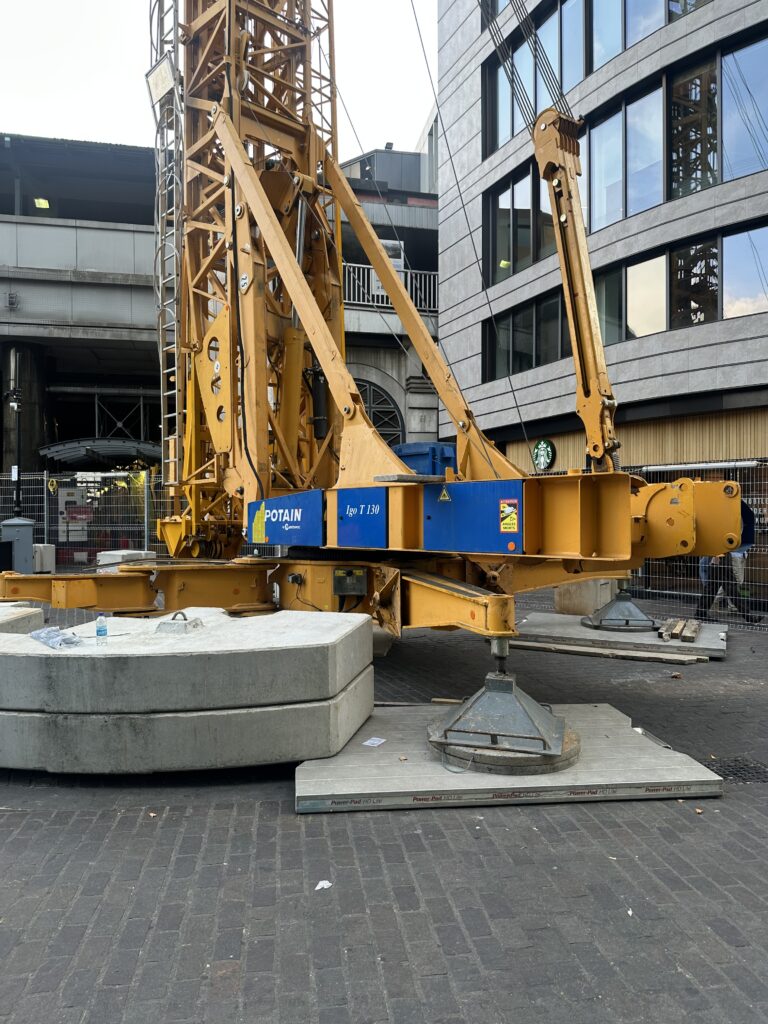
The project involved the replacement of approximately 2km of country-end platforms with new Glass Reinforced Polymer (GRP) platforms supported on a new framing system incorporating elements of the existing structure. To facilitate the platform replacement works, two self-erecting tower cranes were required to undertake the dismantling and installation operations during a major engineering blockade.
LSY’s involvement focused on the construction phase, where we developed temporary works solutions to support the contractor’s methodology and sequence of works. Our scope included the design of crane base foundations, assessment of structural risks, BIM coordination, and the development of temporary works solutions to protect surrounding infrastructure throughout the construction process.
Challenges
The principal challenge was developing a crane foundation solution capable of safely accommodating substantial outrigger loads while working directly above and adjacent to a complex network of existing underground infrastructure.
The scheme involved two self-erecting tower cranes with maximum outrigger reactions of up to 45.6 tonnes. The proposed crane locations were constrained by numerous buried assets, including:
- Cadent Gas assets.
- Existing drainage systems and manholes.
- Railway infrastructure and associated services.
- Thames Water infrastructure.
- Transport for London (TfL) tunnels.
Close coordination was required with multiple asset owners and engineering teams to determine the location and sensitivity of the existing infrastructure, demonstrate that the proposed crane foundations would not adversely affect their assets, and secure the necessary approvals to proceed.
The project therefore required detailed assessment of structural, geotechnical, and infrastructure considerations while ensuring the temporary works remained practical, buildable, and fully coordinated with the wider construction programme.
Process
LSY commenced the project with a detailed appraisal of the proposed crane locations, construction methodology, site constraints, and available underground utility information.
This included reviewing:
- Asset owner constraints.
- Existing ground conditions.
- Existing manholes and drainage infrastructure.
- Proposed crane loading arrangements.
- Tunnel locations.
- Underground services and utilities
Detailed structural calculations were undertaken to develop a crane foundation arrangement capable of safely distributing the crane reactions into the existing ground while protecting adjacent assets.
The proposed crane support arrangement incorporated:
- 2no. 1000mm × 500mm × 70mm outrigger pads
- Supported on 3no. 2000mm × 500mm × 70mm steel outrigger spreader pads
Ground bearing assessments and ground movement assessments were undertaken to verify the suitability of the existing ground and assess the effects of the crane reactions on adjacent buried infrastructure. These assessments included:
- Existing utility protection checks.
- GM1 assessment checks
- Ground bearing pressure checks.
- Ground movement Analysis
- Manhole loading evaluations.
- Pipe crushing assessments.
- Settlement assessments.
Where crane locations were positioned adjacent to existing manholes, LSY developed temporary strutting and support arrangements to reduce load transfer into the structures and minimise the risk of damage during crane operations.
In addition, LSY worked closely with the geotechnical team to review the effects of crane loading on nearby Thames Water assets and groundwater-sensitive infrastructure, ensuring the foundation design remained compatible with asset owner requirements.
To support installation and construction activities, detailed temporary works drawings were produced including:
- Crane foundation section details.
- Crane pad layout plans.
- Existing service overlays.
- Manhole support arrangements.
- Temporary strutting details.
- Utility coordination drawings.
Building Information Modelling (BIM) was utilised throughout the project to improve coordination between the temporary works, underground assets, permanent works, and contractor operations.
Outcome
The temporary works solution was implemented successfully and enabled the platform replacement works to proceed safely and efficiently as part of the Southern Renewals Enterprise programme.
Following the successful completion of the 22-day engineering blockade, both Charing Cross Station and Waterloo East Station reopened as planned and rail services resumed on programme.
The project demonstrated the importance of early identification of underground infrastructure, proactive engagement with asset owners, and close coordination between structural and geotechnical disciplines when undertaking major infrastructure projects within highly constrained operational rail environments.
By developing a practical and adaptable crane foundation solution, LSY enabled the contractor to undertake the platform replacement works with confidence while protecting the surrounding infrastructure and maintaining programme certainty.
The successful delivery of the project strengthened our relationship with the client and contributed to further appointments across a range of rail infrastructure, temporary works, and major engineering projects throughout London and the wider UK.
Back to all projects